

Daily Pet Health Checks: Maintain Your Pet's Wellbeing
Over half of American households share their lives with a pet, yet many owners miss early warning signs of health problems. Keeping your dog or cat healthy goes beyond regular feeding and playtime—it’s about watching for subtle changes and knowing what supplies make health checks easy. With practical advice tailored for busy American families, you’ll learn how to catch issues early and give your furry friend the best shot at lifelong wellness while avoiding unexpected vet bills.
Table of Contents
- Step 1: Gather Essential Supplies for Health Checks
- Step 2: Observe Your Pet’s Behavior and Energy
- Step 3: Inspect Skin, Coat, and Ears Carefully
- Step 4: Check Eyes, Nose, and Mouth for Changes
- Step 5: Assess Body, Movements, and Vital Signs
- Step 6: Record Findings and Schedule Vet Consults
Quick Summary
| Main Insight | Description |
|---|---|
| 1. Assemble a Health Check Kit | Prepare a kit with essentials like a thermometer, gloves, and a notebook to monitor your pet’s health effectively. |
| 2. Track Behavior and Energy | Observe daily behavior and energy patterns to identify early signs of health issues through consistent monitoring. |
| 3. Conduct Regular Skin and Coat Inspections | Regularly check your pet’s skin and coat for lumps or parasites to catch potential health concerns early. |
| 4. Examine Eyes, Nose, and Mouth | Perform thorough checks on your pet’s facial features for signs of health issues, including dental problems and eye infections. |
| 5. Record Health Changes | Maintain a health journal of observations and schedule vet consults for timely intervention when issues arise. |
Step 1: Gather Essential Supplies for Health Checks
When it comes to monitoring your pet’s health, having the right supplies can make all the difference. The ASPCA recommends gathering a comprehensive kit of health check essentials that will help you stay proactive about your furry friend’s wellness. Think of this as your pet’s personal health toolkit.
Your health check kit should include several key items: a clean, soft towel for restraining and examining your pet, a digital thermometer designed specifically for animals, disposable gloves, tweezers, and a bright flashlight for checking ears and eyes. Caring Pets emphasizes that nutritious food and clean bowls are also part of maintaining overall health. Add in a small notebook to track observations like weight, coat condition, and any unusual symptoms. Pro tip: Store these supplies together in a dedicated waterproof container so everything is organized and easily accessible when you need to perform a quick health check.
Pro tip: Keep a digital backup or printed copy of your pet’s medical records right alongside your health check supplies for quick reference during examinations.
Step 2: Observe Your Pet’s Behavior and Energy
Monitoring your pet’s daily behavior and energy levels is crucial for detecting potential health issues early. Scientific observations of animal behavior reveal that subtle changes in activity and mood can signal underlying health concerns that might otherwise go unnoticed.
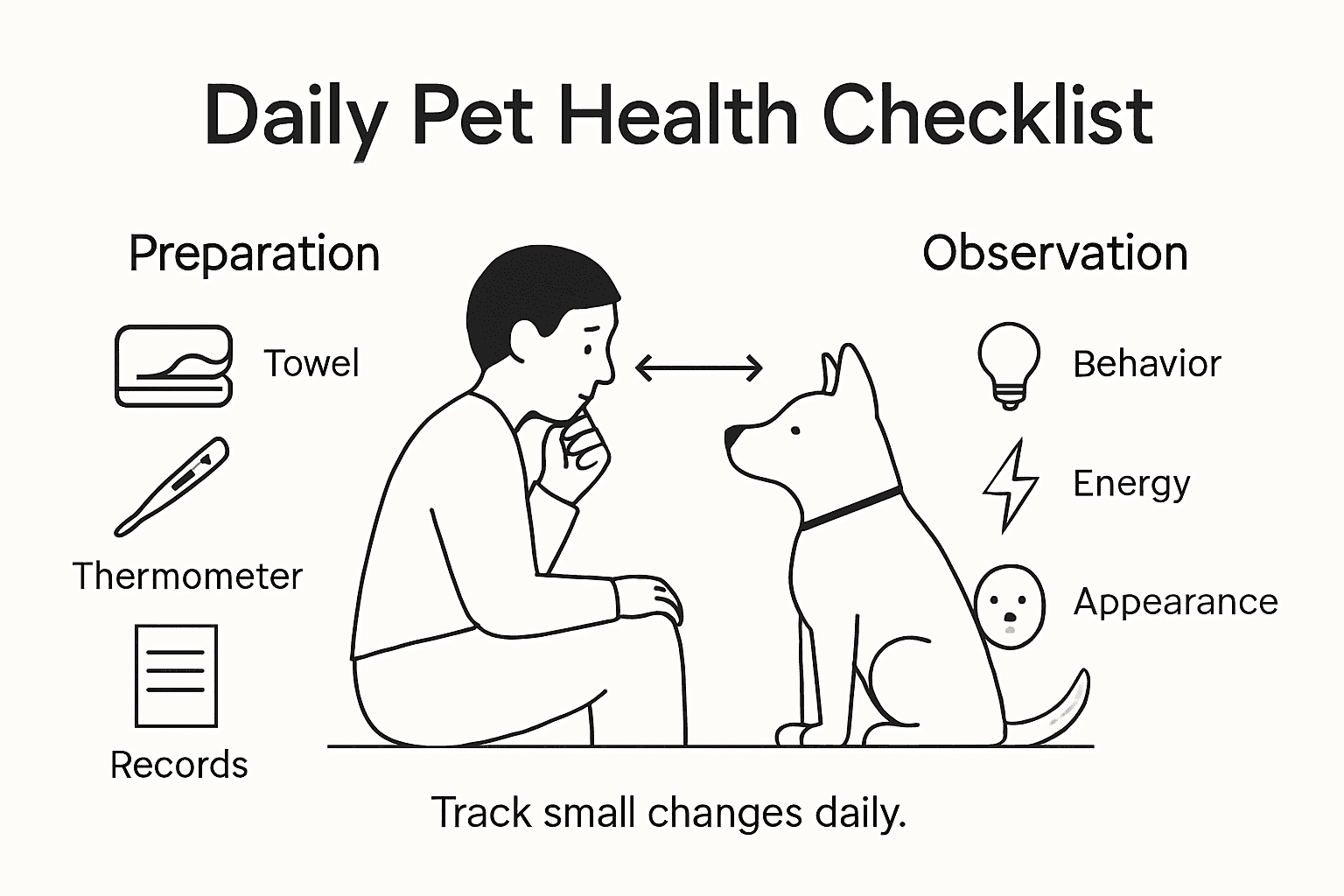
Start by establishing a baseline of your pet’s normal routine and energy patterns. Watch how they typically move around the house, interact with family members, and engage with their favorite toys. Look for any deviations like reduced playfulness, reluctance to move, unusual sleeping positions, or changes in appetite. Pay attention to specific indicators such as tail position, ear movement, and overall body language. A normally active dog who suddenly becomes lethargic or a typically social cat who starts hiding could be telling you something important about their health.
Pro tip: Create a simple daily log or use a pet tracking app to record your observations and track any subtle changes in your pet’s behavior over time.
Step 3: Inspect Skin, Coat, and Ears Carefully
Comprehensive ear and skin examinations are essential for catching potential health issues before they become serious problems. Your pet’s external appearance can reveal critical insights into their overall wellness, so developing a systematic approach to inspection is crucial.
Begin with a gentle full body examination, starting at the head and working your way down. Check the ears for any signs of redness, swelling, unusual discharge, or foul odors. Part the fur gently to examine the skin underneath for bumps, lumps, wounds, or signs of parasites like ticks or fleas. Pay special attention to areas with less fur where skin conditions might be more visible. Run your hands through your pet’s coat, feeling for any unusual textures, bare patches, or areas of sensitivity. The coat should be smooth and shiny, with consistent thickness and no excessive dryness or oiliness.
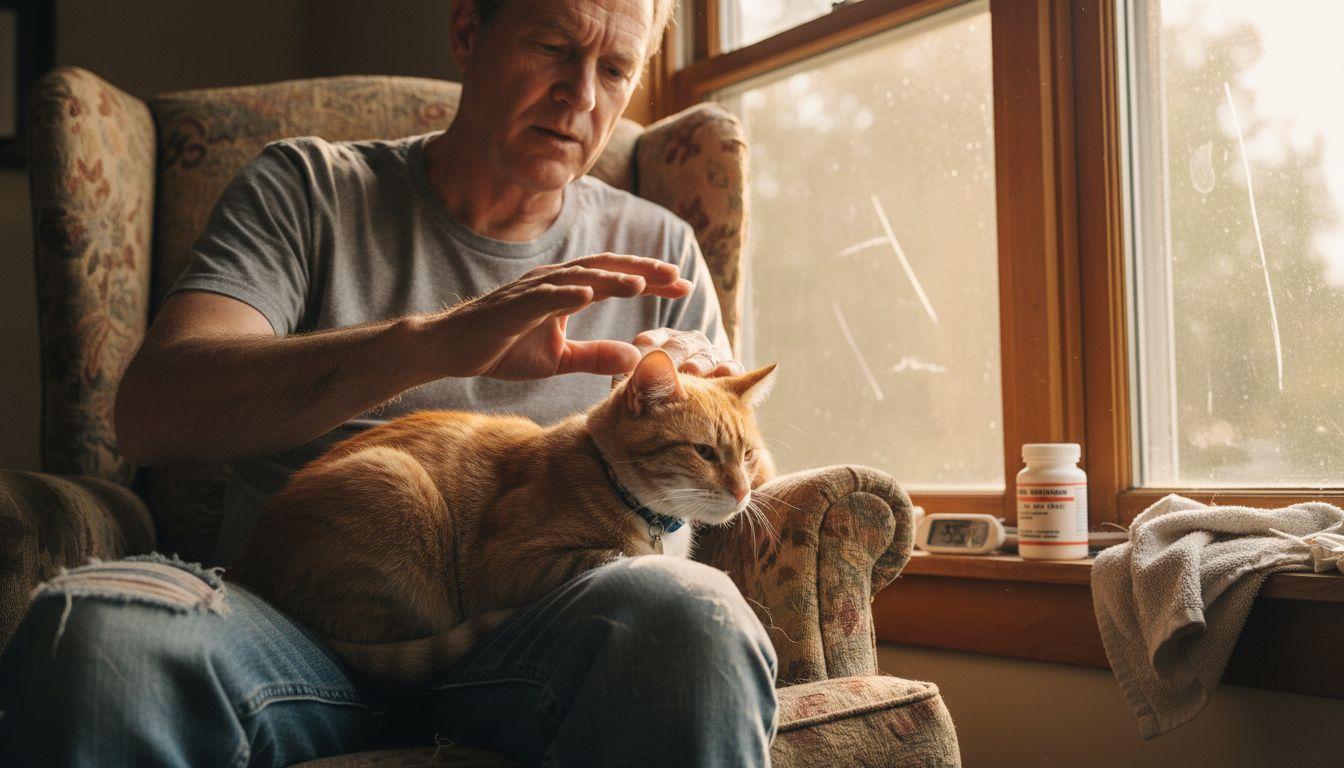
Pro tip: Perform these inspections in good lighting and use a systematic approach moving from head to tail to ensure you don’t miss any potential issues.
Step 4: Check Eyes, Nose, and Mouth for Changes
Comprehensive facial health checks are critical for catching potential health issues early. Your pet’s eyes, nose, and mouth can reveal significant insights into their overall wellness, making careful and consistent examination essential.
Start by examining your pet’s eyes carefully. They should be clear, bright, and free from excessive discharge or redness. Check for any cloudiness, excessive tearing, or signs of irritation. Next, inspect the nose for any unusual discharge, crusting, or changes in color or texture. A healthy nose should be moist and clean. When checking the mouth, look for signs of dental problems such as bad breath, swollen or bleeding gums, discolored teeth, or unusual growths. Gently lift the lips and examine the teeth and gum line, noting any changes in color, texture, or signs of potential infection.
Pro tip: Use natural daylight or a bright flashlight during these examinations to help you spot even subtle changes in your pet’s facial features and overall appearance.
This table summarizes common physical indicators and possible health implications for regular pet checks:
| Indicator | Normal Appearance | Possible Issues | Recommended Action |
|---|---|---|---|
| Eyes | Clear, bright | Redness, cloudy, discharge | Consult vet, monitor closely |
| Ears | Clean, odorless | Swelling, discharge, odor | Clean, seek vet if persistent |
| Skin/Coat | Smooth, shiny fur | Lumps, bald, parasites | Groom, check for parasites |
| Mouth | Pink gums, clean teeth | Bad breath, bleeding, growth | Schedule dental checkup |
Step 5: Assess Body, Movements, and Vital Signs
Professional veterinary guidelines for assessing animal health highlight the importance of comprehensive body and movement evaluations. Understanding your pet’s baseline physical condition helps you quickly identify potential health changes that might require veterinary attention.
Begin by observing your pet’s overall mobility and posture. Watch how they walk, sit, and interact with their environment. Look for any signs of limping, reluctance to move, or changes in their typical movement patterns. Next, carefully check their vital signs. For dogs and cats, a normal resting heart rate typically ranges between 60 to 140 beats per minute. Gently place your hand on their chest to feel the heartbeat or use a pet thermometer for more precise measurements. Check their respiratory rate by counting breaths per minute while they are calm and relaxed. A normal respiratory rate is usually between 10 to 30 breaths per minute. Pay attention to the quality of their breathing as well look for any wheezing, excessive panting, or labored breathing.
Here’s a quick comparison of vital signs for dogs and cats to help identify early health concerns:
| Vital Sign | Typical Dog Range | Typical Cat Range | What Deviates May Indicate |
|---|---|---|---|
| Heart Rate | 60–140 beats/minute | 140–220 beats/minute | Stress, illness, pain |
| Respiratory Rate | 10–30 breaths/minute | 20–30 breaths/minute | Lung distress, fever, anxiety |
| Temperature | 101–102.5 °F | 100.5–102.5 °F | Infection, heat stroke |
Pro tip: Practice taking your pet’s vital signs when they are calm and healthy so you become familiar with their normal baseline and can more easily detect future changes.
Step 6: Record Findings and Schedule Vet Consults
Veterinary health documentation practices are essential for maintaining your pet’s long term wellness. Creating a systematic approach to tracking and reporting health observations can make a significant difference in catching potential issues early and ensuring comprehensive care.
Start by creating a dedicated health journal or digital spreadsheet where you can consistently log your daily observations. Include specific details such as date, time, and precise descriptions of any changes in behavior, appearance, or vital signs. When recording findings, be as objective and detailed as possible. Use clear language to describe symptoms or changes you notice during your health checks. If you observe multiple unusual symptoms or notice something that seems concerning, contact your veterinarian promptly. Most veterinary clinics appreciate receiving detailed information ahead of a consultation, which helps them prepare and understand the context of your concerns.
Pro tip: Take clear smartphone photos of any physical changes or unusual symptoms to provide visual documentation for your veterinarian during consultations.
Keep Your Pet Healthy with the Right Tools from Pawfect Picks
Daily pet health checks can feel overwhelming when you do not have the right supplies. From monitoring vital signs to inspecting eyes, ears, and coat, these key steps demand tools that offer accuracy and comfort for your furry friend. Missing even small details like a quality pet thermometer or gentle ear cleaner may cause you to overlook early signs of illness. Pawfect Picks understands these challenges and provides a curated selection of vet-approved products designed specifically to support everyday care, comfort, and wellbeing.
Equip yourself with trusted essentials that make health checks simple and effective:
- Easy-to-use digital thermometers for precise temperature readings
- Gentle grooming tools for thorough skin and coat inspections
- Safe cleaning supplies to maintain ear and dental health

Start taking control of your pet’s health today by visiting Pawfect Picks. Explore our carefully selected products and discover how simple daily health checks become with the right support. Don’t wait until symptoms worsen. Visit our store now and make Pawfect Picks your partner in maintaining your pet’s happiness and wellness.
Frequently Asked Questions
What supplies do I need for daily pet health checks?
To perform daily pet health checks, gather essential supplies including a soft towel, a digital thermometer, disposable gloves, tweezers, and a flashlight. Store these items in a waterproof container for easy access when you need to examine your pet.
How can I observe my pet’s behavior and energy levels effectively?
To observe your pet’s behavior, establish a baseline by noting their typical routine and energy patterns. Keep a daily log of any changes, such as reduced playfulness or alterations in eating habits, to help identify potential health issues early.
What should I look for when inspecting my pet’s skin, coat, and ears?
During inspections, examine your pet’s skin for bumps, lumps, or parasites and check their ears for redness or discharge. Use good lighting and a systematic approach to ensure you don’t miss any issues, and perform these checks regularly to monitor changes.
How do I check my pet’s eyes, nose, and mouth for health indicators?
Start by examining your pet’s eyes for cloudiness and discharge, followed by checking their nose for unusual crusting or texture. When inspecting the mouth, look for bad breath and swollen gums, and document any changes to discuss with your veterinarian if needed.
What vital signs should I monitor during pet health checks?
Monitor vital signs such as heart rate, respiratory rate, and temperature to gauge your pet’s health. For example, a dog’s resting heart rate should be between 60 to 140 beats per minute; establish a baseline for your pet to identify any deviations over time.
How can I effectively record my findings from pet health checks?
Create a dedicated health journal or digital document for tracking daily observations, detailing any changes in behavior or appearance. Be specific in your descriptions and ensure to contact your veterinarian promptly if you notice concerning symptoms.
Recommended
- 2L Floating Pet Water Bowl – No-Splash, Dust-Proof Design for Clean Wa – Pawfect Picks
- ⭐ Dog Treat Leaking Tumbler Toy – Interactive Slow Feeder & IQ Trainin – Pawfect Picks
- Pawfect Picks
- Automatic Stainless Steel Pet Water Fountain – USB Electric Smart Drin – Pawfect Picks
- How to Boost Dog Immunity Naturally for Optimal Health