

Role Of Toys In Pet Health: Physical, Mental & Emotional Gains
More than 60 percent of American households have at least one pet, turning toys into essential tools for animal well-being. These playthings are not just for fun—they play a key role in supporting physical health, mental agility, and emotional stability for all types of pets. By understanding how the right toys can improve your pet’s quality of life, you will discover smarter ways to care for your furry companion every day.
Table of Contents
- What “Pet Toys in Health” Means
- Types Of Pet Toys And Their Benefits
- How Toys Improve Physical & Dental Health
- Toys Supporting Mental And Emotional Well‑Being
- Toy Safety Risks And What To Avoid
Key Takeaways
| Point | Details |
|---|---|
| Pet Toys Enhance Overall Wellness | Pet toys serve as critical tools that support physical, mental, and emotional health in companion animals. Choosing the right toys can significantly improve an animal’s quality of life. |
| Different Toys for Specific Needs | Various types of toys target specific aspects of animal health, including fitness, dental hygiene, and emotional comfort. Selecting toys that align with an animal’s unique traits is essential for effectiveness. |
| Safety is Paramount | Toxic materials and mechanical hazards pose risks to pets. Regular inspections and choosing safe, non-toxic toys help ensure playtime remains healthy and enjoyable. |
| Engagement is Key | Rotating toys regularly prevents boredom and keeps pets engaged. Tailoring toy selections to fit individual characteristics can support ongoing mental and emotional development. |
What “Pet Toys in Health” Means
Pet toys represent far more than simple playthings – they are sophisticated tools designed to support comprehensive animal wellness across physical, mental, and emotional domains. When veterinary professionals discuss pet toy health benefits, they’re exploring how strategic play interactions can dramatically improve an animal’s overall quality of life.
At its core, “pet toys in health” means creating intentional engagement mechanisms that stimulate multiple developmental pathways. Physical toys promote muscular strength, coordination, and cardiovascular fitness through active play. Mental health toys challenge cognitive processes, preventing boredom and reducing stress-related behavioral issues. Emotional support toys provide comfort, reduce anxiety, and help animals process complex psychological experiences. These smart interactive toys represent a holistic approach to companion animal care.
Understanding pet toys as health interventions requires recognizing their multifaceted roles. Different toy types serve specific wellness objectives – puzzle toys enhance problem-solving skills, chew toys support dental hygiene, interactive toys build social connections, and comfort objects provide emotional regulation. Each toy becomes a targeted instrument supporting an animal’s developmental and psychological needs, transforming playtime from simple recreation into a critical health strategy.
Pro Veterinary Wellness Tip: Select pet toys that match your animal’s specific developmental stage and individual personality, rotating them regularly to maintain novelty and sustained engagement.
Types Of Pet Toys And Their Benefits
Pet toys come in diverse categories, each engineered to address specific wellness needs for companion animals. Interactive toys like puzzles and treat-dispensing options stimulate mental engagement, challenging pets’ cognitive capabilities and preventing boredom-related behavioral issues.
The primary toy categories include physical exercise toys, mental stimulation toys, dental health toys, and emotional comfort toys. Physical exercise toys like balls, frisbees, and rope toys encourage movement, helping animals maintain cardiovascular fitness and muscular strength. Mental stimulation toys such as puzzle feeders and interactive games develop problem-solving skills and reduce anxiety through constructive engagement. Chew toys specifically support dental hygiene by reducing plaque and tartar buildup while providing necessary mouth stimulation for animals.
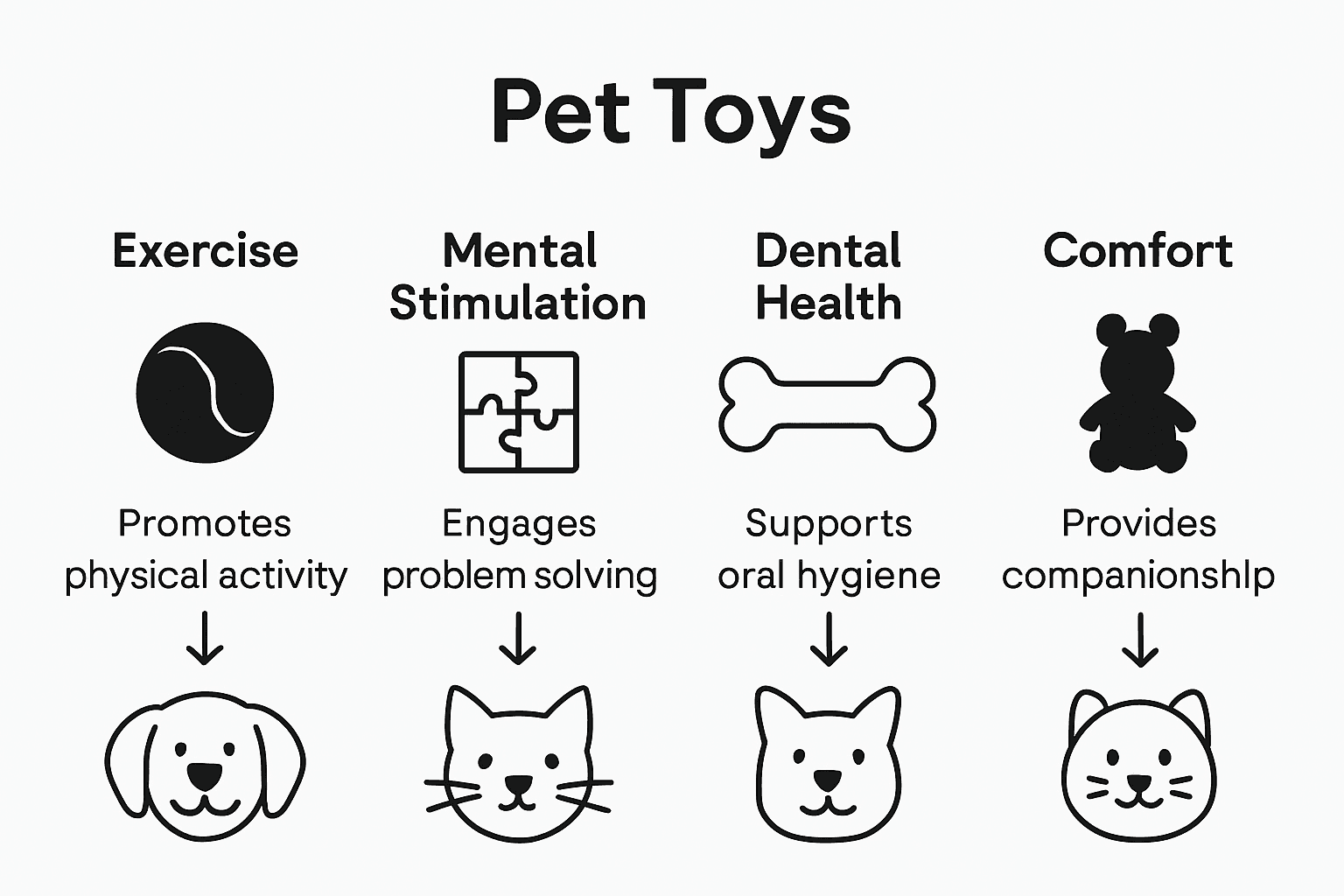
Toy selection requires careful consideration of an animal’s unique characteristics. Factors like age, size, breed, and individual play style dramatically influence toy effectiveness. Younger animals might benefit from softer, more flexible toys that support teething and exploration, while adult pets often need more durable options that withstand vigorous play. Smaller breeds typically require smaller toys with appropriate resistance, whereas larger animals need sturdier equipment designed to withstand more intense interactions.
Pro Pet Play Tip: Rotate your pet’s toys every few weeks to maintain novelty, prevent boredom, and ensure continued engagement with different types of play experiences.
Here’s a summary of major pet toy types and how each supports specific aspects of companion animal wellness:
| Toy Type | Primary Health Focus | Example Pets | Unique Benefit |
|---|---|---|---|
| Physical Exercise Toys | Fitness and coordination | Dogs, cats | Promotes active movement |
| Mental Stimulation Toys | Cognitive development | Dogs, birds | Prevents boredom and anxiety |
| Dental Health Toys | Oral hygiene | Dogs, some rodents | Reduces tartar and plaque |
| Emotional Comfort Toys | Stress relief | Dogs, cats | Eases separation anxiety |
How Toys Improve Physical & Dental Health
Toys that encourage active movement play a critical role in maintaining optimal physical fitness for companion animals. Exercise-based toys like balls, rope toys, and frisbees transform playtime into structured fitness sessions, helping pets burn calories, build muscle strength, and maintain cardiovascular health. Regular physical engagement through play prevents obesity, reduces the risk of metabolic diseases, and supports overall physiological wellness.
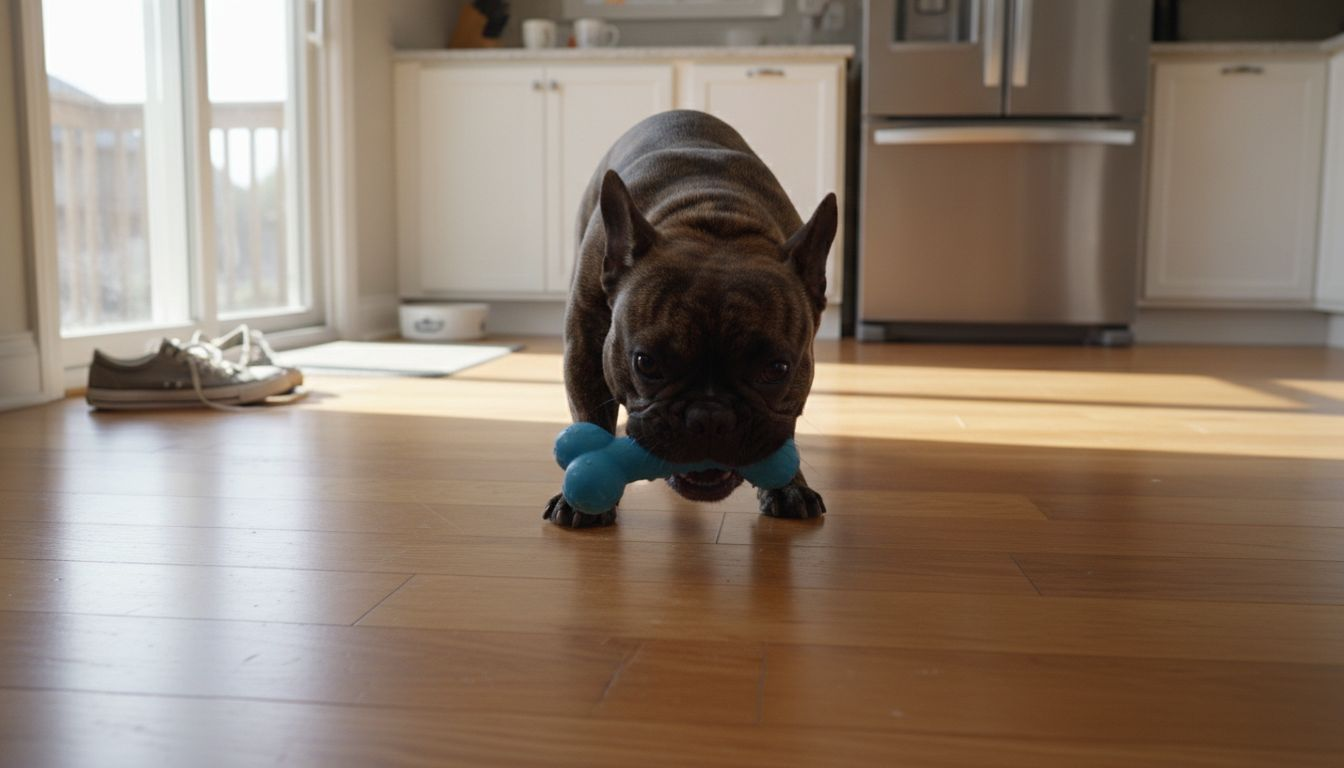
Dental health represents another crucial dimension of toy-based physical care. Chew toys specifically designed to promote oral hygiene help animals naturally clean their teeth, reducing plaque and tartar buildup through controlled mechanical action. Different textures and materials in chew toys stimulate gum health, massage oral tissues, and provide necessary mouth stimulation that mimics natural gnawing behaviors. This process not only supports dental cleanliness but also helps prevent serious dental diseases that can impact overall animal health.
Beyond direct physical benefits, toys that promote movement and oral engagement support comprehensive wellness. They trigger natural predatory instincts, provide mental stimulation, and create opportunities for pet-owner bonding. Interactive toys that require physical manipulation help develop coordination, spatial awareness, and motor skills while simultaneously addressing physical fitness and dental maintenance requirements.
Pro Wellness Tip: Choose toys proportional to your pet’s size and chewing intensity, replacing them when they show significant wear to maintain safety and effectiveness.
Toys Supporting Mental And Emotional Well‑Being
Mental and emotional well-being for pets extends far beyond simple entertainment, representing a critical component of comprehensive animal care. Interactive toys like puzzle feeders serve as sophisticated psychological support tools, challenging animals’ cognitive capabilities and preventing potential mental health issues such as anxiety, depression, and destructive behaviors.
Toys function as powerful emotional regulators, helping pets process complex psychological experiences. Comfort toys mimic social connections, providing a sense of security during stressful situations like owner absence or environmental changes. Puzzle toys and interactive games stimulate problem-solving skills, creating positive neurological pathways that boost confidence and reduce stress-induced behavioral complications. By engaging natural instincts and providing structured mental challenges, these toys transform potential emotional vulnerabilities into opportunities for psychological growth and resilience.
The psychological benefits of targeted toy interactions are profound and multifaceted. Engagement with thoughtfully designed toys can reduce separation anxiety, minimize destructive behaviors stemming from boredom, and create opportunities for positive emotional experiences. Different toys address various psychological needs – soft plush toys offer comfort, challenging puzzle toys provide mental stimulation, and interactive games encourage social bonding and emotional connection with pet owners.
Pro Emotional Wellness Tip: Observe your pet’s individual play preferences and rotate toys regularly to maintain novelty, prevent monotony, and support ongoing mental and emotional enrichment.
Toy Safety Risks And What To Avoid
Toy safety requires vigilant attention to potential hazards that could compromise animal health. Critical risks include choking dangers, toxic material exposure, and structural weaknesses that might cause injury. Pet owners must carefully evaluate toys, considering factors like size appropriateness, material composition, and potential breaking points that could harm their companion animals.
Chemical composition represents a significant safety concern for pet toys. Dangerous materials like PVC, phthalates, BPA, lead, and formaldehyde can cause serious long-term health complications in animals. These toxic substances may lead to hormonal disruptions, potential cancer risks, and developmental issues. Responsible pet owners should prioritize toys manufactured with transparent, non-toxic materials and seek products specifically designed with animal health standards in mind.
Beyond chemical risks, mechanical hazards demand careful consideration. Toys with small, detachable components pose choking risks, while sharp edges can cause internal or external injuries. Owners should regularly inspect toys for signs of wear, checking for loose parts, fraying materials, or structural damage that could create potential safety threats. Size-appropriate toys matched to the specific animal’s breed, weight, and chewing intensity provide the most secure play experiences.
Pro Safety Tip: Conduct weekly toy inspections, immediately discarding any items showing significant wear, loose parts, or potential structural compromises to prevent potential health risks.
Use this quick reference to identify and avoid common pet toy safety hazards:
| Risk Type | What to Watch For | Why It Matters |
|---|---|---|
| Toxic Materials | BPA, lead, phthalates alerts | Prevents long-term health problems |
| Choking Hazards | Small parts or loose pieces | Reduces accidental ingestion risk |
| Structural Damage | Sharp edges, fraying, cracks | Avoids injuries and internal harm |
Enhance Your Pet’s Health with Vet-Approved Toys from Pawfect Picks
The article highlights the crucial role of pet toys in supporting physical fitness, mental stimulation, and emotional well-being for your beloved companions. If you want to effectively tackle challenges like boredom, anxiety, and dental health issues, choosing the right toys designed for your pet’s unique needs is essential. At Pawfect Picks, we understand these pain points deeply and offer a carefully curated selection of products that combine safety, durability, and wellness benefits to keep your pet happy and healthy.

Explore our trusted range of interactive toys that promote cognitive engagement, durable chew toys to support dental care, and cozy comfort toys that soothe emotional stress. Backed by over 25 years of veterinary expertise, every item at Pawfect Picks is handpicked to deliver the health gains your pet deserves. Act now to provide your furry friend with the joy and health benefits of thoughtfully chosen toys by visiting Pawfect Picks. Your pet’s wellness journey starts here.
Frequently Asked Questions
What are the health benefits of toys for pets?
Pet toys promote physical fitness, mental stimulation, and emotional well-being. They encourage active play, challenge cognitive skills, and provide comfort, all of which contribute to an animal’s overall health and happiness.
How do physical exercise toys improve pet health?
Physical exercise toys, like balls and ropes, facilitate active play that helps pets maintain muscle strength, coordination, and cardiovascular health, preventing obesity and related health issues.
What types of toys can help with my pet’s mental stimulation?
Mental stimulation toys, such as puzzle feeders and treat-dispensing toys, challenge pets’ cognitive abilities, reduce boredom, and help prevent anxiety-related behaviors by encouraging problem-solving and exploration.
Are there specific toys that can provide emotional support for my pet?
Yes, emotional comfort toys, such as plush toys, can help pets cope with stress and anxiety, providing security during challenging situations and reducing the impact of separation anxiety.
Recommended
- Top 10 Smart Dog Toys for 2025: What Keeps Tails Wagging and Brains Bu – Pawfect Picks
- ⭐ Dog Treat Leaking Tumbler Toy – Interactive Slow Feeder & IQ Trainin – Pawfect Picks
- Pawfect Picks
- Automatic Smart Rolling Ball for Cats – Electric Interactive Toy, Rech – Pawfect Picks