

Step by Step Litter Training for Happy, Healthy Cats
Most American cat owners are surprised to learn that over 10 percent of household felines regularly avoid the litter box, creating stress for everyone at home. Litter box habits can impact your cat’s health and your daily routine, making the right setup more important than many realize. Discover simple steps to choose the ideal box, set it up for success, and encourage reliable bathroom habits for a cleaner, happier space.
Table of Contents
- Step 1: Choose the Ideal Litter Box and Location
- Step 2: Set Up an Inviting Litter Environment
- Step 3: Introduce Your Cat to the Litter Box
- Step 4: Encourage Consistent Litter Box Use
- Step 5: Monitor Progress and Adjust as Needed
Quick Summary
| Key Point | Explanation |
|---|---|
| 1. Choose the right litter box | Opt for a large, uncovered box in a quiet area to meet your cat’s natural preferences and promote consistent use. |
| 2. Maintain cleanliness consistently | Scoop daily and clean the box thoroughly every few weeks to encourage regular usage and prevent avoidance. |
| 3. Understand your cat’s preferences | Monitor your cat’s behavior and adjust litter type or box location to ensure a comfortable bathroom environment. |
| 4. Introduce the box gently | Place your cat in the box after meals and naps, using positive reinforcement to help them associate the box with elimination. |
| 5. Use multiple boxes for multi-cat households | Have one box per cat plus one extra to reduce territorial issues and ensure easy access for all cats in the home. |
Step 1: Choose the Ideal Litter Box and Location
Selecting the right litter box and its placement are crucial first steps in successfully training your cat to use the litter box consistently. Your goal is to create a comfortable, accessible space that meets your cat’s natural preferences and promotes good bathroom habits.
The Ohio State University Indoor Pet Initiative recommends choosing a large, uncovered litter box positioned in a quiet location away from noisy appliances and high traffic areas. Cats prefer privacy and calm when using their bathroom, so think like your feline friend when selecting the perfect spot. According to the American Animal Hospital Association, you should plan on having one litter box per cat in your household, plus an additional box. This strategy helps prevent territorial disputes and ensures every cat has easy access to a comfortable bathroom area.
Consider these key factors when choosing your litter box location: quiet corner of a room, away from feeding areas, low foot traffic zones, and places where your cat feels safe and undisturbed. Avoid placing boxes near loud appliances like washing machines or in areas with sudden movements that might startle your cat.
Pro tip: If you have multiple cats or a multi level home, place litter boxes on different floors to ensure each cat has convenient access to a clean bathroom space.
Here’s a summary comparing litter box types to help you choose the best option:
| Litter Box Type | Advantages | Potential Drawbacks |
|---|---|---|
| Open (Uncovered) | Easy access, better ventilation | Less odor control, less privacy |
| Covered (Hooded) | Contains odor, more privacy | Can trap odors, less airflow |
| Top-Entry | Reduces litter tracking | Harder for kittens/seniors |
| Self-Cleaning | Convenient, low maintenance | Higher cost, may startle cats |
Step 2: Set Up an Inviting Litter Environment
Creating an appealing and comfortable litter environment is key to encouraging your cat to use the litter box consistently. Your goal is to design a space that feels safe, clean, and welcoming to your feline friend.
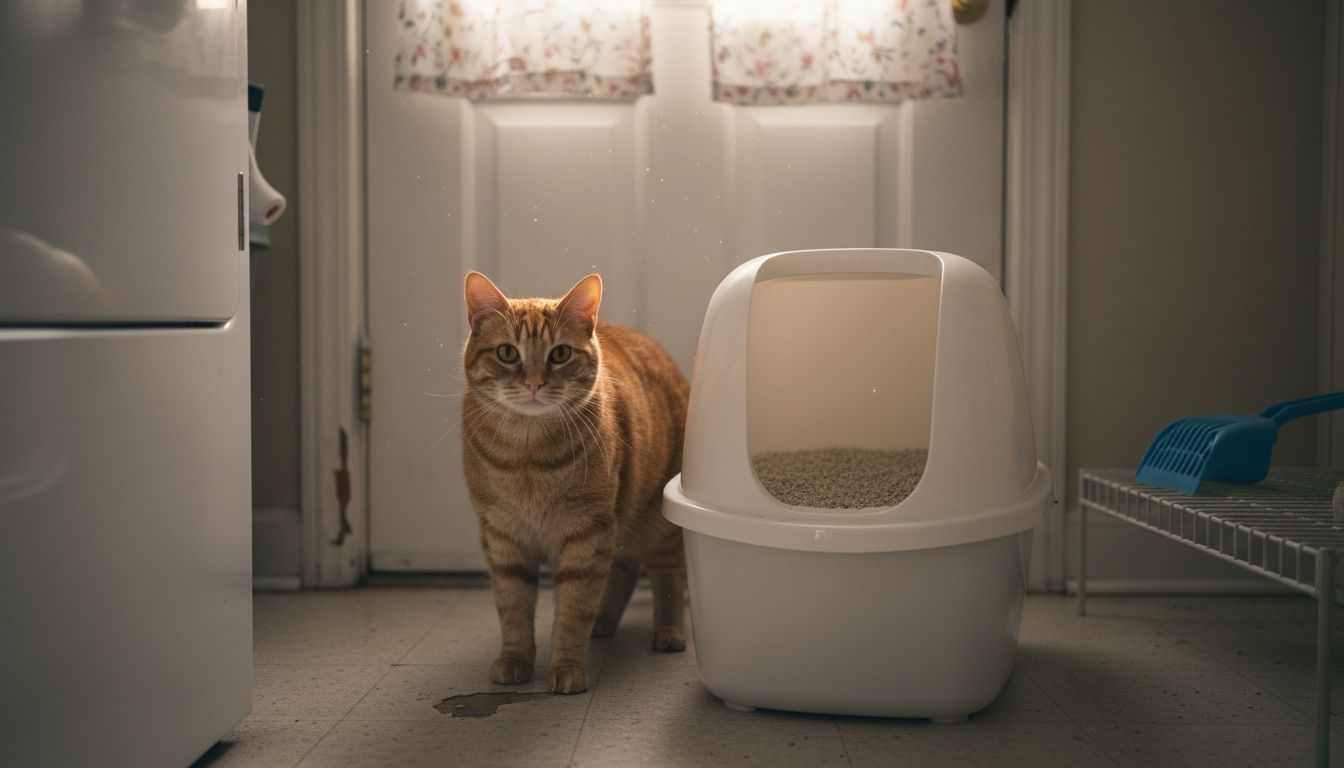
According to the American Animal Hospital Association, unscented clumping litter with a depth of approximately 1.5 inches works best for most cats. When selecting litter, pay attention to texture and scent. Research published in the Journal of Feline Medicine and Surgery indicates that cats have individual preferences for litter box styles, so be prepared to experiment with different configurations.
Choose a litter that clumps well for easy cleaning, minimizes tracking, and controls odor without using strong artificial fragrances. Some cats are sensitive to perfumed litters, which can discourage them from using the box. Consider trying multiple types of litter to discover what your specific cat prefers.
Pro tip: Always keep the litter box meticulously clean by scooping waste daily and performing a complete litter change and box washing every few weeks to maintain a hygienic environment that your cat will consistently use.
Step 3: Introduce Your Cat to the Litter Box
Successfully introducing your cat to the litter box requires patience, positive reinforcement, and strategic guidance. Your primary goal is to help your cat feel comfortable and confident using their new bathroom space.
The Animal Rescue Professional Association recommends placing your cat in the litter box after meals and naps to encourage natural bathroom habits. This approach helps your cat associate the litter box with appropriate elimination times. The Ohio State University Indoor Pet Initiative suggests positioning the litter box in a quiet and private area that allows your cat to feel secure while using it.
Start by gently placing your cat in the litter box and allowing them to explore. Avoid forcing or pushing them into the box, as this can create negative associations. If your cat begins to scratch or seems curious, praise them softly and offer gentle encouragement. Some cats might need multiple introductions before feeling completely comfortable.
Pro tip: Watch your cat closely during initial litter box introductions and be prepared to demonstrate by softly scratching the litter with your finger to help them understand the intended use of the space.
Step 4: Encourage Consistent Litter Box Use
Maintaining a consistent litter box routine is crucial for helping your cat develop reliable bathroom habits. Your goal is to create a predictable and comfortable environment that makes using the litter box feel natural and stress free.
The Ohio State University Indoor Pet Initiative emphasizes the importance of daily scooping and weekly thorough cleaning to maintain an inviting litter box environment. Consistency is key to preventing bathroom accidents and ensuring your cat feels comfortable with their designated elimination area. The American Animal Hospital Association recommends strategically placing multiple litter boxes in quiet locations with clear escape routes to support your cat’s natural elimination behaviors.
Pay close attention to your cat’s preferences and be willing to make adjustments. Some cats are more sensitive to litter box conditions and may avoid using the box if it feels unclean or uncomfortable. Regularly observe your cat’s bathroom habits and be prepared to modify the litter box setup if you notice any reluctance or avoidance.
Pro tip: Create a consistent cleaning schedule by setting a daily reminder to scoop the litter box and a weekly reminder for a thorough washing to ensure your cat always has a clean and welcoming bathroom space.
Step 5: Monitor Progress and Adjust as Needed
Litter box training is an ongoing process that requires patience, observation, and flexibility. Your ultimate goal is to understand your cat’s unique preferences and create a comfortable bathroom environment that meets their specific needs.
The American Animal Hospital Association recommends carefully monitoring your cat’s litter box usage for any significant changes that might signal underlying medical or behavioral issues. The Ohio State University Indoor Pet Initiative advises watching for signs of discomfort or avoidance that could indicate the need for adjustments in your litter box setup or environment.
Pay attention to subtle cues like hesitation before entering the litter box, frequent accidents outside the box, or changes in bathroom frequency. These signals might suggest your cat is experiencing stress, discomfort, or potential health problems. Consider factors such as litter type, box location, box cleanliness, and any recent changes in your home that might be affecting your cat’s bathroom habits.
Pro tip: Keep a simple log of your cat’s litter box usage and any unusual behaviors to help you track patterns and identify potential issues quickly, which can be invaluable information if you need to consult with a veterinarian.
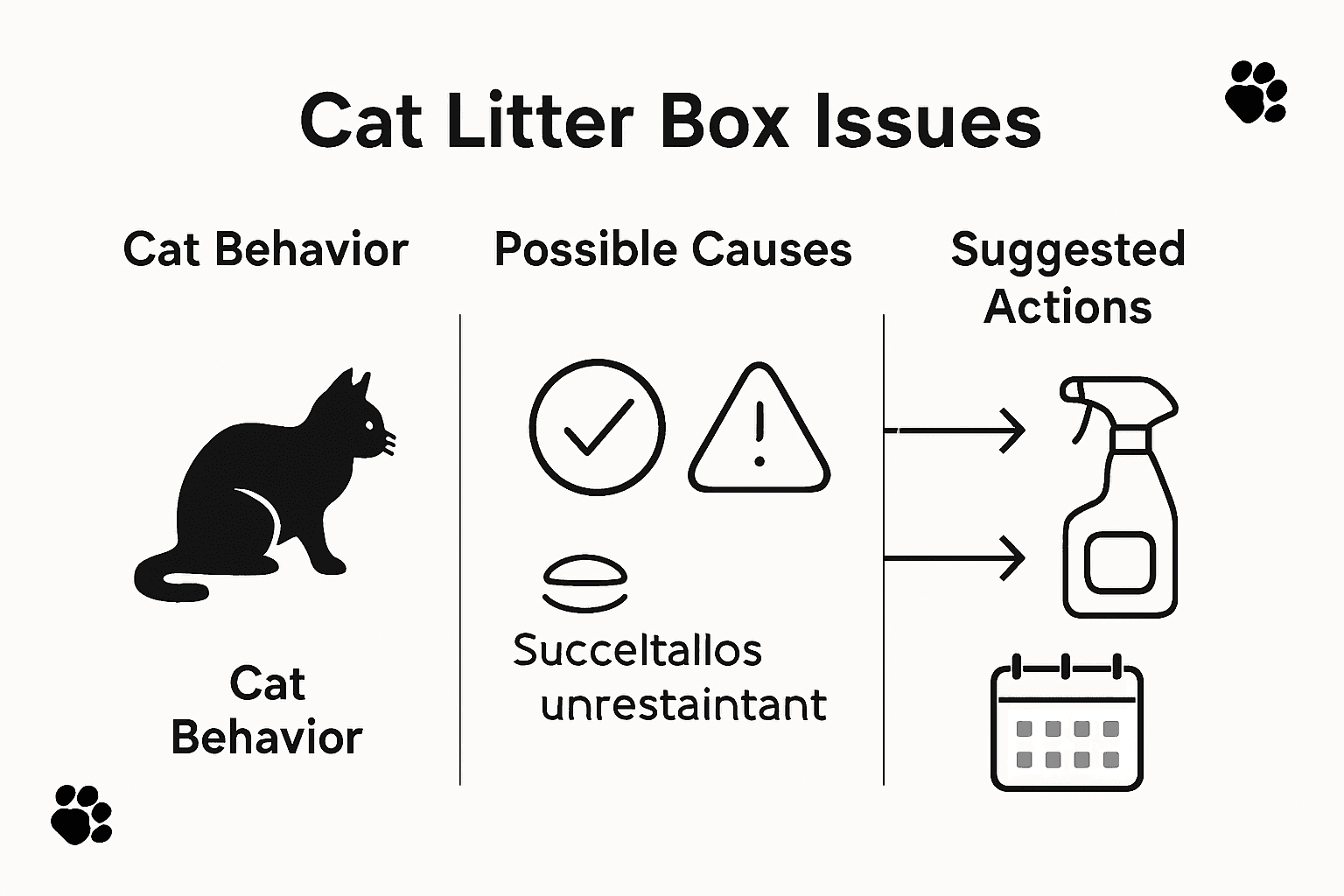
Use this reference to spot signs your cat may need a litter box adjustment:
| Cat Behavior | Possible Cause | Suggested Action |
|---|---|---|
| Hesitates to enter the box | Uncomfortable box location | Move box to quieter area |
| Frequent accidents outside the box | Box cleanliness or litter type | Clean more often, try new litter |
| Scratching outside rather than inside | Dislikes texture or depth | Adjust litter depth or material |
| Stops using box after household changes | Stress or disruption | Restore routine, provide privacy |
Support Your Cat’s Litter Training Journey with Vet-Approved Essentials
Litter training can present challenges like finding the right box, selecting appealing litter, and maintaining a clean, calm environment. These key pain points often cause stress for both you and your cat. At Pawfect Picks, we understand the importance of choosing comfortable litter boxes and unscented clumping litters that cater to your cat’s natural preferences outlined in the training steps. Our selection helps you create a stress-free, inviting bathroom space that encourages consistent litter box use.

Take control of your cat’s bathroom habits now with products trusted and vetted by experts with over 25 years of veterinary experience. Visit Pawfect Picks to explore our carefully curated lineup designed to support happy healthy cats. Make your cat’s litter training smoother and more successful today by choosing solutions that truly work. Discover more and start shopping at our store and learn how to create the perfect litter environment with vet-approved essentials.
Frequently Asked Questions
What is the best litter box type for my cat?
Choosing an open, uncovered litter box is often recommended because it allows for easy access and better ventilation. Consider starting with a standard size and monitor your cat’s comfort, adjusting to a covered or self-cleaning box if necessary, to find what suits your cat best.
How can I create a comfortable litter box environment for my cat?
Set up the litter box in a quiet, low-traffic area away from loud appliances and feeding stations. Use unscented, clumping litter approximately 1.5 inches deep to help your cat feel safe and encourage regular use.
What is the best way to introduce my cat to the litter box?
Gently place your cat in the litter box after meals and naps to encourage natural bathroom habits. Allow your cat to explore the box on their own and use positive reinforcement by praising them when they show interest.
How often should I clean the litter box?
Aim to scoop the litter box daily to maintain a clean environment and prevent accidents. Schedule a complete litter change and clean the box every two to four weeks to keep it hygienic and inviting for your cat.
What should I do if my cat avoids using the litter box?
If your cat hesitates or avoids the litter box, check for potential stressors like cleanliness, location, and type of litter. Reassess these factors and make the necessary adjustments to encourage consistent use, aiming for a stress-free bathroom experience.
How can I monitor my cat’s litter box habits?
Observe your cat’s behavior closely for any signs of discomfort or changes in their bathroom routine. Keeping a simple log of their usage can help you track patterns and quickly identify any issues that may arise, allowing for timely adjustments.
Recommended
- Smart Automatic Cat Litter Box – Open-Top Self-Cleaning Design with Ap – Pawfect Picks
- Automatic Stainless Steel Pet Water Fountain – USB Electric Smart Drin – Pawfect Picks
- ⭐ Dog Treat Leaking Tumbler Toy – Interactive Slow Feeder & IQ Trainin – Pawfect Picks
- 2L Floating Pet Water Bowl – No-Splash, Dust-Proof Design for Clean Wa – Pawfect Picks