
Sustainable Pet Care: Practical Eco Strategies for Pet Health
Most American pets leave a larger environmental footprint than many people realize. Every mealtime, grooming session, or toy choice can either support or strain our fragile planet. Pet diets now account for a notable share of global carbon emissions, driven largely by convenience and packaging waste. For eco-conscious owners determined to reduce impact, realistic sustainable pet care means more than switching brands. Here, discover actionable ways to nurture your companion while promoting true environmental responsibility.
Table of Contents
- Defining Sustainable Pet Care Realistically
- Eco‑Friendly Nutrition & Waste Options
- Green Grooming Tools And Practices
- Low‑Impact Toys, Beds, Accessories
- Risks, Misconceptions, And Compliance
Key Takeaways
| Point | Details |
|---|---|
| Sustainable Choices | Engage in eco-conscious pet care by selecting local, organic foods and biodegradable products to reduce environmental footprints. |
| Waste Management | Implement strategies like composting and using biodegradable waste bags to minimize disposal impact. |
| Responsible Grooming | Opt for biodegradable grooming tools and natural cleaning products to enhance both pet health and eco-friendliness. |
| Educate and Evaluate | Continuously educate yourself about sustainable practices and critically assess product claims to ensure genuine environmental benefits. |
Defining Sustainable Pet Care Realistically
Sustainable pet care represents a holistic approach to animal companionship that balances our pets’ health with environmental responsibility. Interdisciplinary research suggests this practice transcends simple product choices, requiring critical analysis of how our animal relationships impact broader socio-environmental systems.
At its core, sustainable pet care involves making intentional decisions that minimize ecological footprints while maintaining optimal animal wellness. This means considering everything from dietary choices to waste management. Environmental studies reveal that pet diets significantly contribute to carbon emissions, with wet food diets producing substantially higher CO₂ levels compared to dry or homemade alternatives.
Key components of sustainable pet care include:
- Selecting environmentally conscious pet products
- Minimizing plastic and non-biodegradable pet accessories
- Choosing locally sourced, responsibly produced pet foods
- Implementing waste reduction strategies
- Prioritizing durable, long-lasting pet equipment
Pro Tip: Pet Care Sustainability Strategy: Conduct a monthly audit of your pet’s environmental impact by tracking food sources, toy materials, and waste generation to identify areas for incremental, meaningful improvements.
Here’s a comparison of common pet care choices and their typical environmental impacts:
| Pet Care Choice | Environmental Impact | Key Consideration |
|---|---|---|
| Wet Food Diet | High carbon emissions | Opt for less packaging, local source |
| Dry Food Diet | Lower emissions | Monitor ingredient sourcing |
| Biodegradable Waste Bags | Reduces landfill waste | Ensure proper composting |
| Plastic Toys/Accessories | Significant plastic waste | Prefer items made from renewables |
Eco‑Friendly Nutrition & Waste Options
Reducing environmental impact through pet nutrition and waste management requires strategic choices that balance animal health with ecological responsibility. Sustainable pet care begins with understanding how our daily decisions can significantly minimize waste and support broader environmental conservation efforts.
Nutrition plays a critical role in sustainable pet care. Selecting food options that prioritize responsible sourcing, minimal packaging, and reduced carbon footprint can dramatically decrease environmental strain. This means exploring alternatives like:
- Locally produced pet foods
- Brands using sustainable protein sources
- Minimal packaging designs
- Organic and regeneratively farmed ingredients
- Plant-based protein supplements for supplemental nutrition
Waste management represents another crucial aspect of eco-friendly pet care. Pet owners can implement comprehensive strategies to reduce environmental impact, such as investing in biodegradable waste bags, composting pet waste safely, and selecting durable, long-lasting accessories that minimize disposable product consumption.
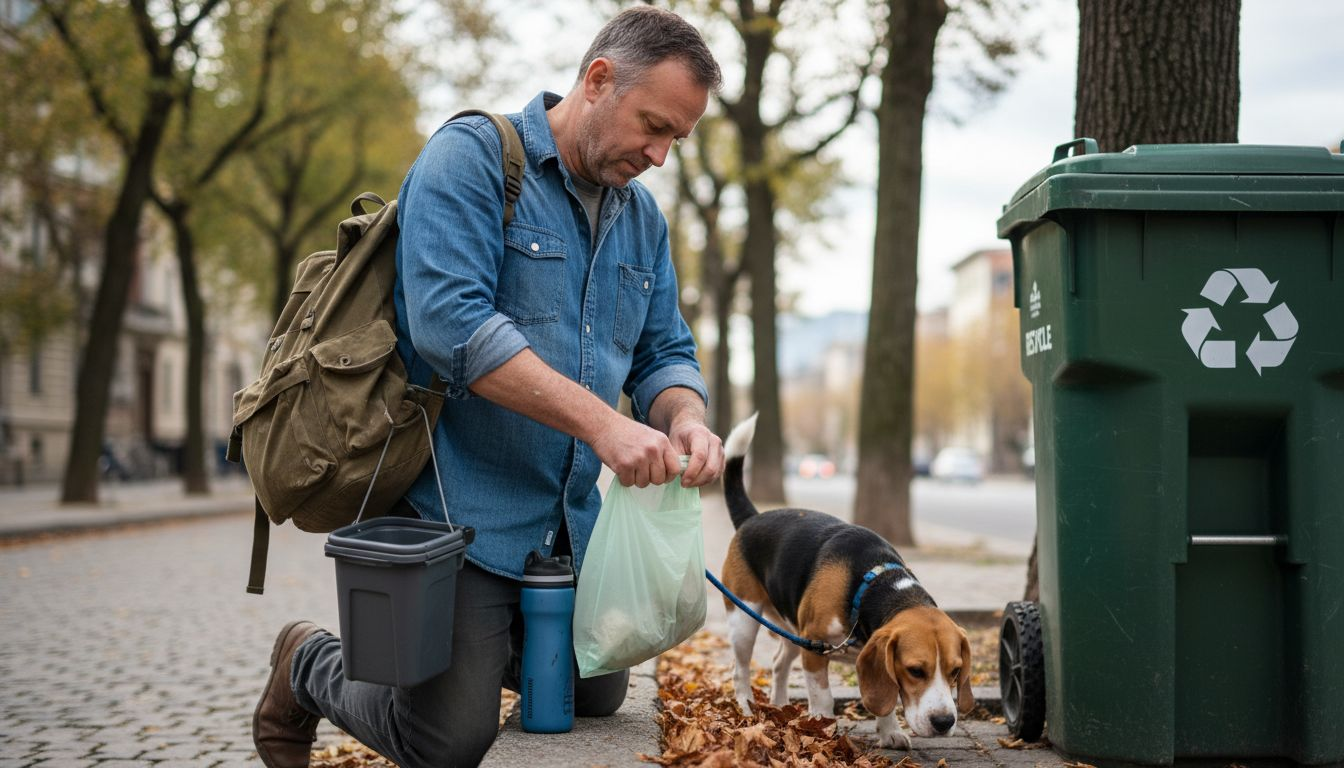
Advanced waste reduction techniques include composting appropriate pet waste, selecting reusable grooming tools, and choosing products manufactured through environmentally responsible processes. By making intentional choices, pet owners can significantly reduce their ecological footprint while maintaining exceptional animal care standards.
Pro Tip: Waste Reduction Strategy: Create a monthly sustainability checklist for your pet’s nutrition and waste management, tracking packaging waste, food sources, and disposal methods to continuously improve your environmental impact.
Green Grooming Tools And Practices
Sustainable pet grooming goes beyond simple cleanliness, representing a holistic approach to minimizing environmental impact while maintaining optimal animal care. Innovative research in bioplastics is revolutionizing grooming tool manufacturing, introducing biodegradable alternatives that dramatically reduce plastic waste and support ecological conservation.
Modern green grooming practices emphasize selecting tools and techniques that prioritize both pet health and environmental responsibility. These strategies include:
- Biodegradable grooming tools
- Reusable brushes and combs made from sustainable materials
- Natural cleaning products
- Energy-efficient grooming equipment
- Minimal packaging accessories
Advanced sustainable technology is enabling the development of grooming devices constructed from plant-based proteins and innovative biodegradable materials. These technological breakthroughs allow pet owners to select professional-grade nail clippers that minimize environmental impact without compromising quality or performance.
Comprehensive green grooming extends beyond tool selection to include water conservation, using eco-friendly shampoos, and implementing waste-reduction techniques during pet care routines. By making intentional choices, pet owners can significantly reduce their ecological footprint while maintaining exceptional grooming standards.
Pro Tip: Sustainable Grooming Assessment: Conduct a quarterly inventory of your pet grooming tools, replacing disposable items with durable, biodegradable alternatives and tracking your waste reduction progress.
Low‑Impact Toys, Beds, Accessories
Sustainable pet accessories represent a critical approach to reducing environmental impact while maintaining high-quality care for companion animals. Pet owners can make significant ecological contributions by selecting products designed with environmental consciousness, durability, and minimal waste generation in mind.
Key strategies for choosing low-impact pet accessories include:
- Biodegradable materials
- Locally manufactured products
- Durable, long-lasting designs
- Recycled or upcycled fabric compositions
- Minimal packaging options
- Products with transparent sustainability credentials
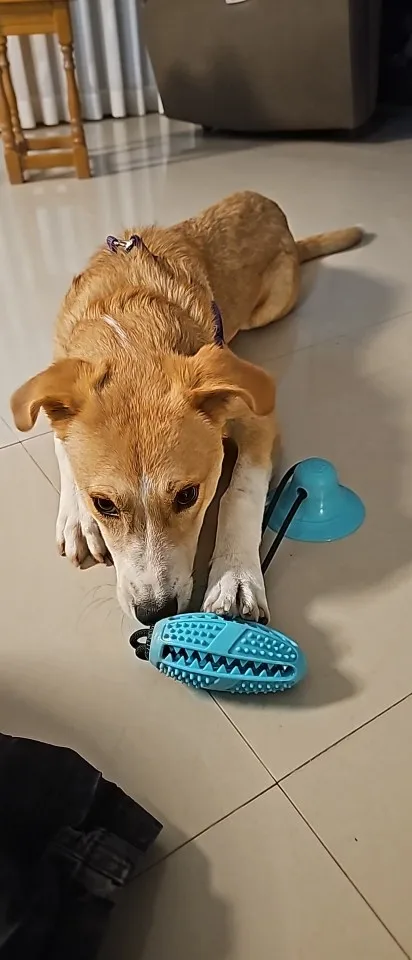
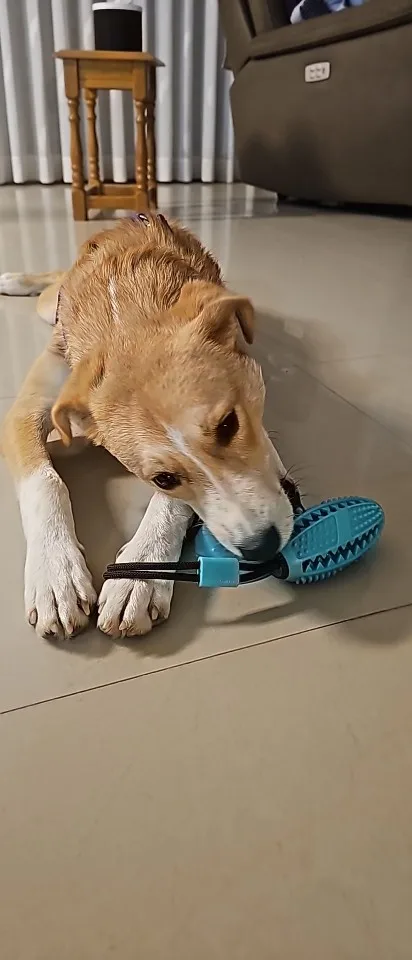
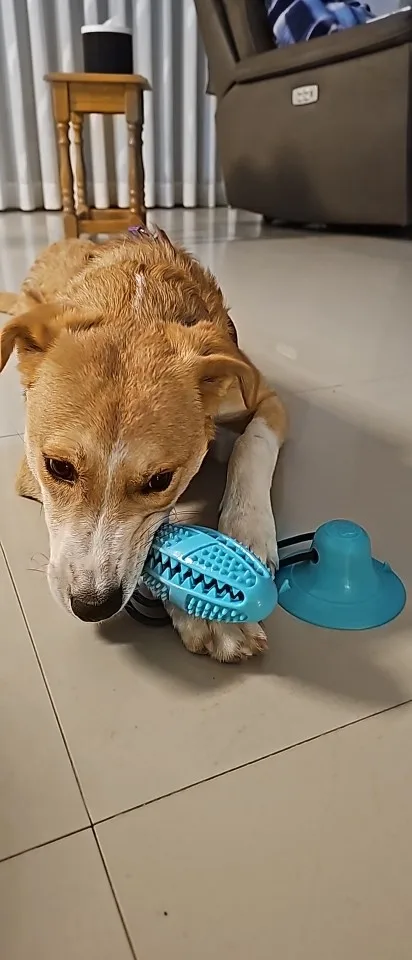
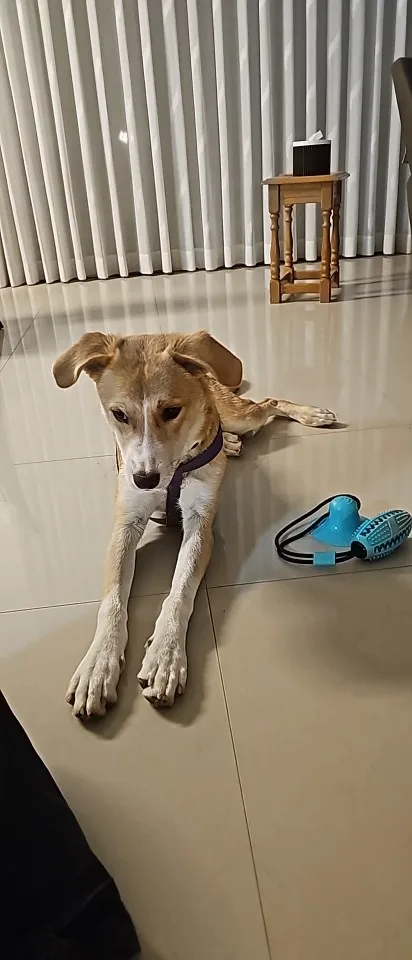
Intelligent toy selection plays a crucial role in sustainable pet care. Interactive toys that provide mental stimulation can reduce material consumption by offering longer-lasting engagement and minimizing the need for frequent replacements. Advanced pet accessories now incorporate innovative design principles that prioritize both animal enrichment and environmental responsibility.
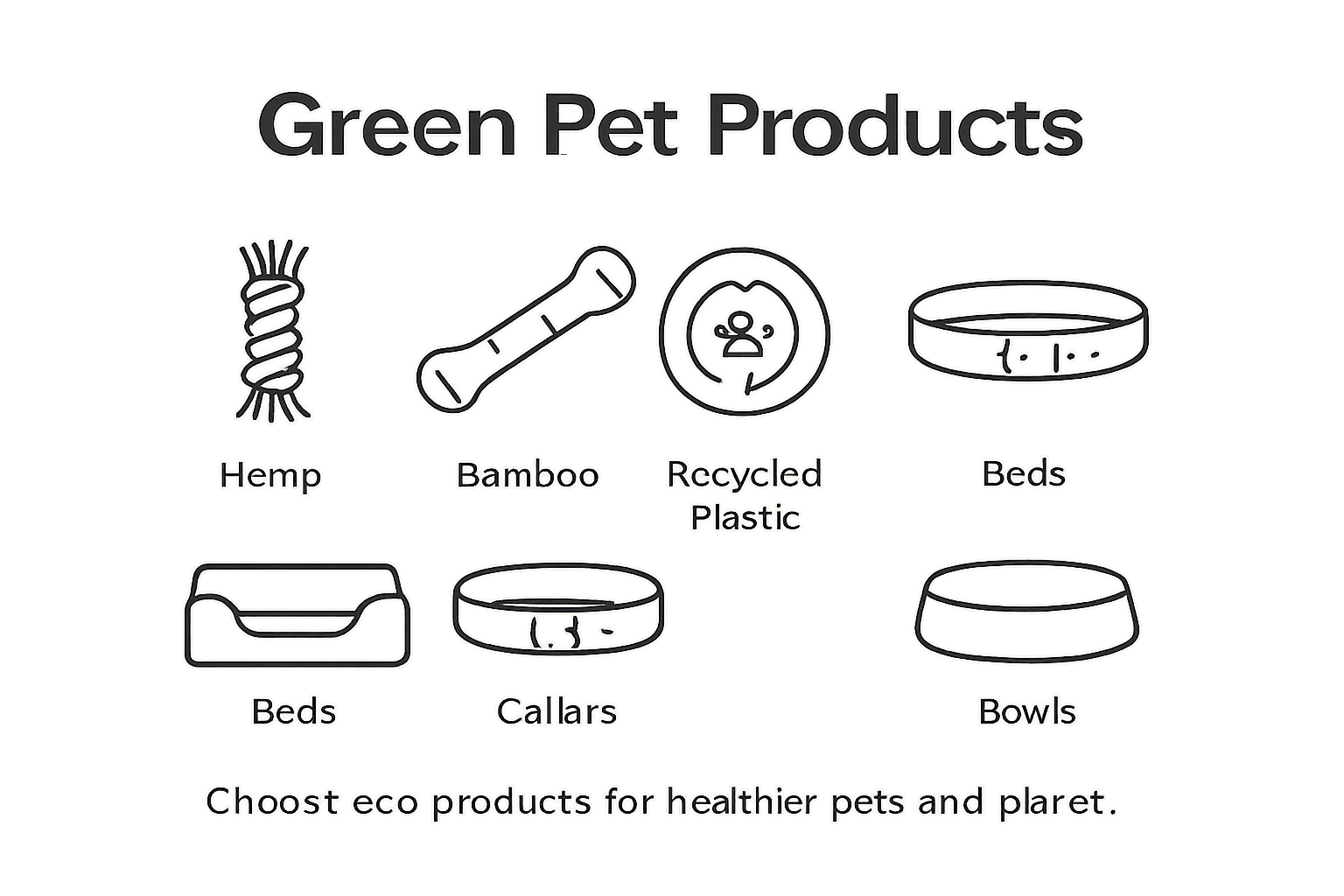
Beds, toys, and accessories crafted from organic, renewable materials like hemp, bamboo, and recycled plastics demonstrate how pet product manufacturers are reimagining sustainable design. By supporting brands committed to ecological principles, pet owners can create comfortable environments for their animals while actively reducing waste and supporting responsible manufacturing practices.
Pro Tip: Sustainable Accessory Assessment: Perform a biannual review of your pet’s accessories, identifying items that can be repaired, recycled, or responsibly replaced with more environmentally friendly alternatives.
The table below summarizes sustainable practices, their benefits, and potential challenges:
| Practice | Core Benefit | Main Challenge |
|---|---|---|
| Using local, organic pet food | Supports local farms, low footprint | May be costlier or less available |
| Biodegradable grooming tools | Reduces plastics in landfill | Sometimes less durable |
| Upcycled or recycled accessories | Diverts waste, long lifespan | Limited product options |
| Waste composting | Minimizes disposal impact | Requires correct technique |
Risks, Misconceptions, And Compliance
Sustainable pet care requires a nuanced understanding of potential risks, regulatory challenges, and common misconceptions that can undermine environmental and animal welfare objectives. Pet owners must navigate complex considerations to ensure their eco-friendly practices genuinely benefit both their animals and the broader ecosystem.
Common misconceptions about sustainable pet care include:
- Greenwashing in pet product marketing
- Assuming all eco-friendly products are automatically safe
- Overlooking nutritional requirements while pursuing sustainability
- Misunderstanding the actual environmental impact of pet care choices
- Believing that small changes do not matter
Nutritional research highlights critical concerns about pet diet composition, demonstrating that excessive protein and fat not only contribute to environmental strain but also pose significant health risks. Responsible pet owners must balance ecological considerations with precise nutritional needs, avoiding oversimplified approaches that might compromise animal wellness.
Compliance with sustainable pet care requires ongoing education and critical evaluation of products, practices, and emerging environmental standards. This involves understanding local regulations, researching product certifications, and maintaining transparency about the genuine ecological impact of pet care choices. Rigorous assessment helps pet owners make informed decisions that align with both animal health and environmental conservation principles.
Pro Tip: Sustainability Verification Process: Develop a personal checklist for evaluating pet products, examining manufacturer claims, researching independent certifications, and assessing the genuine environmental and health implications of each purchase.
Make Sustainable Pet Care Easy with Trusted Solutions
Navigating the challenges of sustainable pet care means balancing eco‑friendly choices with your pet’s health and well-being. If you want to reduce plastic waste, choose biodegradable grooming tools, or find locally sourced pet foods that support a lower carbon footprint, expert guidance is crucial. At Pawfect Picks, we understand these key pain points from choosing nourishing, eco-conscious diets to selecting durable toys and accessories that minimize environmental impact without compromising quality.
Our vet-approved products come with over 25 years of expertise behind every selection, ensuring you can confidently embrace sustainable pet care strategies like those in the article. Whether you are looking for professional-grade grooming tools, eco-friendly pet toys, or nutritious food options, we provide solutions that help you make a real difference today.
Discover how to effortlessly blend animal wellness with environmental responsibility by exploring our carefully curated store at Pawfect Picks.
Start your journey toward meaningful green pet care now by visiting our site. Take action today to improve your pet’s health while protecting the planet for tomorrow.
Frequently Asked Questions
What are the key components of sustainable pet care?
Key components of sustainable pet care include selecting environmentally conscious pet products, minimizing plastic and non-biodegradable accessories, choosing locally sourced pet foods, implementing waste reduction strategies, and prioritizing durable pet equipment.
How can I reduce my pet’s environmental impact through nutrition?
You can reduce your pet’s environmental impact by selecting locally produced foods, opting for brands that use sustainable protein sources, choosing minimal packaging options, and incorporating plant-based protein supplements into their diet.
What are some eco-friendly waste management practices for pet owners?
Eco-friendly waste management practices include using biodegradable waste bags, composting pet waste, selecting durable grooming tools and toys, and creating a monthly checklist to monitor waste generation and disposal methods.
How can I identify truly sustainable pet products?
To identify truly sustainable pet products, look for transparency in manufacturer claims, research independent certifications, assess product sourcing, and evaluate the environmental impact of the materials used in the products.
Recommended
- ⭐ Dog Treat Leaking Tumbler Toy – Interactive Slow Feeder & IQ Trainin – Pawfect Picks
- 2L Floating Pet Water Bowl – No-Splash, Dust-Proof Design for Clean Wa – Pawfect Picks
- Pawfect Picks
- Runway 2.2L Smart Pet Water Fountain – Automatic Induction Charging Dr – Pawfect Picks
- Nachhaltig Mit Batterien Umgehen: Der Komplettguide - accu.blog