

Role of Toys in Pet Mental Health – Vet Insights
Most American pet owners understand the challenge of soothing anxious dogs or cats, but they are not alone. With over 98 percent of owners worldwide recognizing their pets’ emotional complexity, the importance of supporting pet mental health has never been clearer. Toys are far more than simple distractions. They play a vital role in addressing anxiety and nurturing well-being, giving pet owners practical, expert-backed ways to improve their animal companions’ emotional lives.
Table of Contents
- Defining Pet Mental Health And Its Challenges
- How Toys Impact Mental Well-Being In Pets
- Types Of Toys For Anxiety And Enrichment
- Choosing The Right Toy For Your Pet’s Needs
- Common Mistakes And Toy Safety Guidelines
Key Takeaways
| Point | Details |
|---|---|
| Understanding Pet Mental Health | Pets experience complex emotions similar to humans, which necessitates awareness of their psychological challenges. |
| Importance of Regular Assessments | Schedule regular veterinary mental health assessments to proactively address potential psychological issues before they worsen. |
| Role of Interactive Toys | Engaging toys support pet mental health by providing stimulation that can alleviate issues like anxiety and depression. |
| Toy Selection and Safety | Choose toys based on individual pet needs, ensuring they are safe, durable, and appropriate for your pet’s size and behavior. |
Defining Pet Mental Health and Its Challenges
Understanding pet mental health requires recognizing that our animal companions experience complex emotional landscapes just as humans do. Much like people, pets can suffer from psychological challenges that impact their overall well-being and quality of life. Research on mental health and animals reveals that emotional and behavioral dynamics are intricate and multifaceted for our furry friends.
Pet mental health encompasses a range of psychological states and potential disorders that can significantly affect an animal’s behavior, emotional regulation, and interactions. Common challenges include anxiety, depression, stress responses, and trauma-related behavioral issues. These conditions can manifest through symptoms such as excessive vocalization, destructive behavior, social withdrawal, changes in appetite, and unusual aggression or fearfulness. The complexity of diagnosing these conditions requires veterinary professionals to consider multiple factors including genetic predisposition, environmental stressors, past experiences, and individual physiological characteristics.
Interestingly, global surveys indicate that 98% of pet owners recognize their animals’ emotional complexity, suggesting a growing awareness of the intricate psychological world of our animal companions. This recognition is critical because understanding pet mental health allows for more compassionate, targeted interventions that can dramatically improve an animal’s quality of life. Potential triggers might include major household changes, lack of environmental stimulation, separation from bonded companions, medical conditions, or traumatic past experiences.
Pro tip: Schedule regular veterinary mental health assessments to proactively identify and address potential psychological challenges in your pet before they escalate into more serious conditions.
Here is a summary of common pet mental health issues and their potential triggers:
| Mental Health Issue | Typical Symptoms | Common Triggers |
|---|---|---|
| Anxiety | Excessive barking, pacing | Separation, loud noises |
| Depression | Lethargy, loss of appetite | Loss of companion, boredom |
| Stress | Destructive behavior, restlessness | New environment, medical issues |
| Trauma Response | Fearfulness, withdrawal | Past abuse, major change |
How Toys Impact Mental Well-Being in Pets
Interactive pet toys play a critical role in supporting animal psychological health by providing crucial mental stimulation and emotional engagement. Research demonstrates that play triggers oxytocin release, which helps reduce stress and anxiety while simultaneously promoting self-confidence and positive behavioral patterns. These cognitive and emotional benefits extend far beyond simple entertainment, representing a fundamental component of comprehensive pet wellness strategies.
Toys serve multiple psychological functions for pets, acting as essential tools for managing emotional complexity. Interactive toys like the Dog Treat Leaking Tumbler can provide intellectual challenges that prevent boredom, reduce destructive behaviors, and create positive emotional experiences. By engaging pets in problem-solving activities, these toys help mitigate potential mental health challenges such as depression, separation anxiety, and chronic stress.
The neurological impact of play is profound, with structured toy interactions helping animals develop emotional resilience and adaptive coping mechanisms. Different toy types target specific psychological needs - puzzle toys stimulate cognitive function, chew toys provide sensory comfort, and interactive electronic toys encourage sustained engagement. These varied experiences contribute to a pet’s overall mental equilibrium, helping them process environmental stimuli more effectively and maintain emotional stability.

Pro tip: Rotate your pet’s toys weekly to maintain novelty and mental stimulation, preventing toy fatigue and ensuring continued psychological engagement.
Types of Toys for Anxiety and Enrichment
Anxiety-relieving pet toys represent a critical intervention strategy for managing animal emotional health, offering targeted solutions for different psychological challenges. Veterinary experts recommend specific toy categories designed to address various mental health needs, ranging from separation anxiety to general emotional distress. These specialized toys function as sophisticated psychological tools, providing comfort, distraction, and mental stimulation.
Different toy types serve unique psychological purposes. Plush toys with simulated heartbeats can provide companionship during stressful periods, mimicking the presence of a living being. Interactive electronic toys like the Automatic Smart Rolling Ball offer sustained mental engagement, helping pets redirect anxious energy into problem-solving activities. Puzzle toys challenge cognitive function, while lick mats and chew toys provide sensory comfort and stress relief through repetitive, soothing motions.
The strategic selection of anxiety-reduction toys depends on understanding an individual pet’s specific emotional triggers and behavioral patterns. Veterinary behaviorists recommend a multi-layered approach that combines different toy types to create a comprehensive emotional support system. Puzzle dispensers can help pets with separation anxiety by providing mental challenges, while soft toys with heartbeat mechanisms can offer reassurance during periods of perceived isolation. Chew toys serve a dual purpose of providing physical outlet for stress and supporting dental health.
Pro tip: Observe your pet’s response to different toy types and create a personalized anxiety management toolkit that combines multiple stimulation strategies.
The table below compares major toy types and how they address different psychological needs:
| Toy Type | Main Benefit | Best For |
|---|---|---|
| Puzzle Toys | Mental stimulation | Intelligent breeds |
| Chew Toys | Stress reduction | Aggressive chewers |
| Plush w/ Heartbeat | Emotional comfort | Separation anxiety |
| Electronic Toys | Sustained engagement | High-energy pets |
Choosing the Right Toy for Your Pet’s Needs
Pet toy selection requires a nuanced understanding of individual animal needs and characteristics. Veterinary experts recommend a comprehensive approach to toy selection that balances physical activity, mental stimulation, and emotional support. The ideal toy is not a one-size-fits-all solution but a carefully chosen tool tailored to your pet’s unique personality, age, breed, and specific behavioral patterns.
The evaluation process involves multiple critical considerations. Age plays a significant role in toy selection - puppies and younger animals require different stimulation compared to senior pets. Pet toy collections offer diverse options that cater to various developmental stages and play styles. Breed characteristics also matter significantly, with high-energy breeds needing more challenging, durable toys that can withstand intense play, while more sedentary animals might prefer softer, less demanding interactive options.
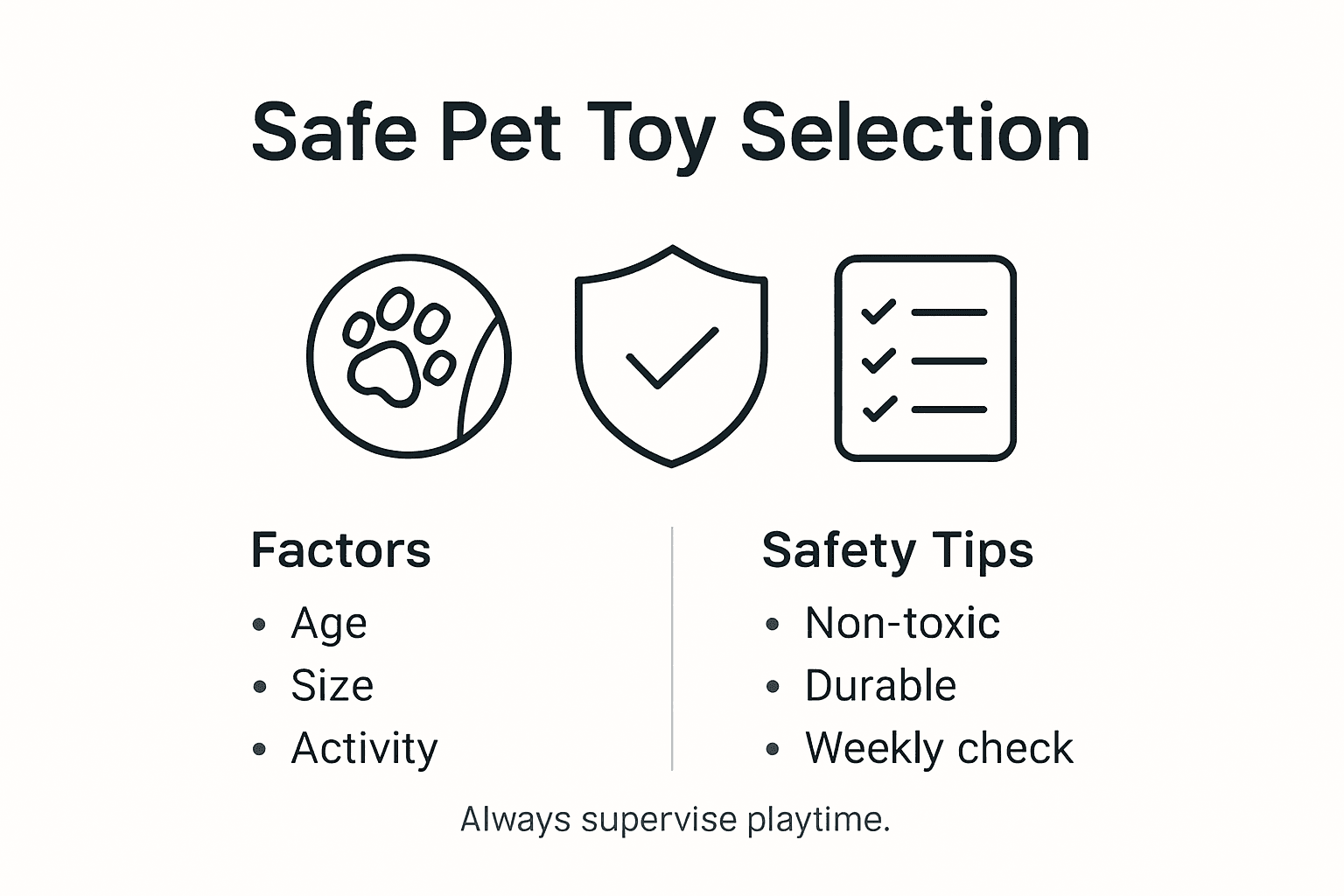
Safety and durability remain paramount when selecting pet toys. Veterinary behaviorists emphasize the importance of choosing toys that match your pet’s chewing intensity, size, and play style. Interactive puzzle toys can provide mental stimulation for intelligent breeds, while chew toys serve both dental health and stress-reduction purposes. Owners should regularly inspect toys for wear and tear, replacing them when they become damaged to prevent potential choking hazards or ingestion of small pieces.
Pro tip: Rotate your pet’s toy collection regularly to maintain novelty and prevent boredom, ensuring continued mental engagement and preventing destructive behaviors.
Common Mistakes and Toy Safety Guidelines
Toy safety is a critical aspect of responsible pet ownership that many owners inadvertently overlook. Comprehensive safety regulations provide essential guidelines for selecting and maintaining appropriate toys that protect pets from potential hazards. Understanding these guidelines can prevent serious injuries and ensure that playtime remains a positive, enriching experience for both pets and their owners.
The most common mistakes pet owners make involve neglecting key safety considerations. Consumer safety experts recommend thorough toy inspections to identify potential risks such as small detachable parts, sharp edges, or inappropriate material composition. Size matters significantly - toys that are too small can become choking hazards, while oversized toys can cause strain or potential injury. Owners should always match toy size to their pet’s breed, age, and chewing intensity, regularly replacing worn or damaged toys that could break apart during play.
Material selection is paramount in toy safety. Toxic materials, cheap plastics, and poorly constructed toys can pose serious health risks. Pet owners should prioritize toys made from non-toxic, durable materials that can withstand aggressive chewing without breaking into small pieces. Different pets require different safety considerations - a toy safe for a small dog might be dangerous for a large breed with more powerful jaws. Veterinary behaviorists recommend multiple toy options that provide mental stimulation while maintaining strict safety standards, including regular inspection and immediate replacement of damaged items.
Pro tip: Perform a weekly “safety check” on your pet’s toys, examining them for signs of wear, checking for loose parts, and discarding any items that show potential risk of breakage or ingestion.
Enhance Your Pet’s Mental Well-Being with Vet-Approved Toys
The article highlights the critical role that interactive toys play in managing pet mental health challenges like anxiety, stress, and depression. If you are searching for effective ways to provide your furry companion with intellectual stimulation and emotional comfort, finding the right toys is essential. The article’s focus on puzzle toys, chew toys, and plush companions aligns perfectly with our carefully selected collection designed to support your pet’s happiness and reduce destructive behaviors.

Visit Pawfect Picks to explore vet-approved products trusted for enhancing pet wellness and mental engagement. Discover interactive toys like the Dog Treat Leaking Tumbler that challenge your pet’s mind and promote healthy play sessions. Don’t wait for anxiety or stress to take hold—make proactive choices now to support your pet’s emotional health and create joyful moments every day. Shop today and give your pet the mental enrichment they deserve.
Frequently Asked Questions
What are the common mental health issues pets face?
Common mental health issues in pets include anxiety, depression, stress, and trauma responses. Symptoms can vary from excessive barking and destructive behavior to social withdrawal and changes in appetite.
How do interactive toys benefit pet mental health?
Interactive toys provide mental stimulation and emotional engagement, helping to reduce stress and anxiety in pets. They promote problem-solving skills and prevent boredom, which can lead to behavioral issues.
What types of toys are recommended for pets with anxiety?
Toys designed for anxiety relief include plush toys with simulated heartbeats, interactive electronic toys for engagement, and puzzle toys to stimulate cognitive function. These toys can help alleviate symptoms of separation anxiety and emotional distress.
How can I choose the right toy for my pet’s specific needs?
Choosing the right toy involves considering your pet’s age, breed, and behavior. Select toys that match their chewing intensity and play style while ensuring they are safe and durable. Regularly inspect toys for wear and replace them as needed.