

Why Regular Grooming for Cats Matters Everyday
Most American cat owners underestimate the impact of routine grooming, yet more than 60 percent admit their cats struggle with hairballs or matted fur each year. What seems like a simple act actually plays a vital role in your pet’s comfort and health. From reducing shed hair to lowering allergy risks, establishing regular grooming habits can make life a lot easier for both you and your feline companion.
Table of Contents
- What Regular Cat Grooming Means
- Coat Types And Grooming Needs
- How Grooming Benefits Skin And Coat
- Grooming For Digestive And Allergy Prevention
- Health Checks Through Grooming
- Bonding Through Regular Grooming
Key Takeaways
| Point | Details |
|---|---|
| Regular Grooming is Essential | Grooming goes beyond brushing; it maintains your cat’s health, hygiene, and prevents issues like matting and skin problems. |
| Tailored Grooming Strategies | Different coat types require specific grooming frequencies and techniques to ensure overall wellbeing. |
| Health Monitoring Opportunity | Grooming sessions provide a chance to inspect for skin issues, parasites, and overall condition to catch potential problems early. |
| Strengthens Owner-Cat Bond | Regular grooming fosters trust and emotional connection, making it a beneficial experience for both the pet and its owner. |
What Regular Cat Grooming Means
Regular cat grooming goes far beyond occasional brushing. It’s a comprehensive approach to maintaining your feline friend’s health, hygiene, and overall wellbeing. Regular grooming involves carefully maintaining your cat’s coat, skin, and general physical condition through consistent and attentive care.
At its core, cat grooming encompasses several key activities designed to support your pet’s physical health. These include brushing to remove loose fur and prevent matting, checking for skin abnormalities, and monitoring your cat’s physical condition. Grooming helps remove dead hair, prevent hairballs, and allows for early detection of potential skin issues or parasites, making it an essential aspect of responsible pet ownership.
The process typically involves multiple techniques tailored to your cat’s specific needs:
- Brushing: Removes dirt, distributes natural oils, and prevents fur tangling
- Nail Trimming: Prevents overgrowth and potential injury
- Skin Inspection: Checks for wounds, lumps, or unusual changes
- Ear and Teeth Cleaning: Maintains overall hygiene and prevents infections
Pro Cat Care Tip: Start grooming sessions when your cat is calm and relaxed, using gentle motions and rewarding them with treats to create a positive association with grooming activities.
Coat Types And Grooming Needs
Different cat coat types require unique grooming strategies that directly impact your pet’s overall health and comfort. Understanding these variations helps cat owners develop targeted grooming routines that protect their feline’s specific coat characteristics and prevent potential skin issues.
Cat coats generally fall into three primary categories: short-haired, medium-haired, and long-haired. Each type demands a tailored approach to maintenance. Short-haired breeds typically need less frequent grooming, while long-haired cats require more intensive and regular brushing to prevent matting and tangles.
Here’s a breakdown of grooming needs by coat type:
-
Short-Haired Cats:
- Weekly brushing
- Less prone to matting
- Focus on removing loose fur
-
Medium-Haired Cats:
- Twice weekly brushing
- Moderate tangle risk
- Regular skin checks recommended
-
Long-Haired Cats:
- Daily brushing essential
- High matting potential
- Requires detailed, gentle grooming
Pro Fur Care Tip: Invest in breed-specific grooming tools that match your cat’s coat type, ensuring gentle and effective hair management while making the grooming experience comfortable for your pet.
Here’s a quick comparison of grooming requirements by cat coat type:
| Coat Type | Brushing Frequency | Major Challenges | Recommended Tools |
|---|---|---|---|
| Short-Haired | Once per week | Moderate shedding | Rubber brush, fine comb |
| Medium-Haired | Twice per week | Occasional tangles | Slicker brush, detangler |
| Long-Haired | Daily | Frequent matting | Wide-tooth comb, mat rake |
How Grooming Benefits Skin And Coat
Regular grooming plays a critical role in maintaining your cat’s overall skin and coat health, offering far more than just aesthetic benefits. This essential practice helps remove accumulated dust, dead skin cells, and loose hair while simultaneously promoting better circulation and preventing potential skin complications.
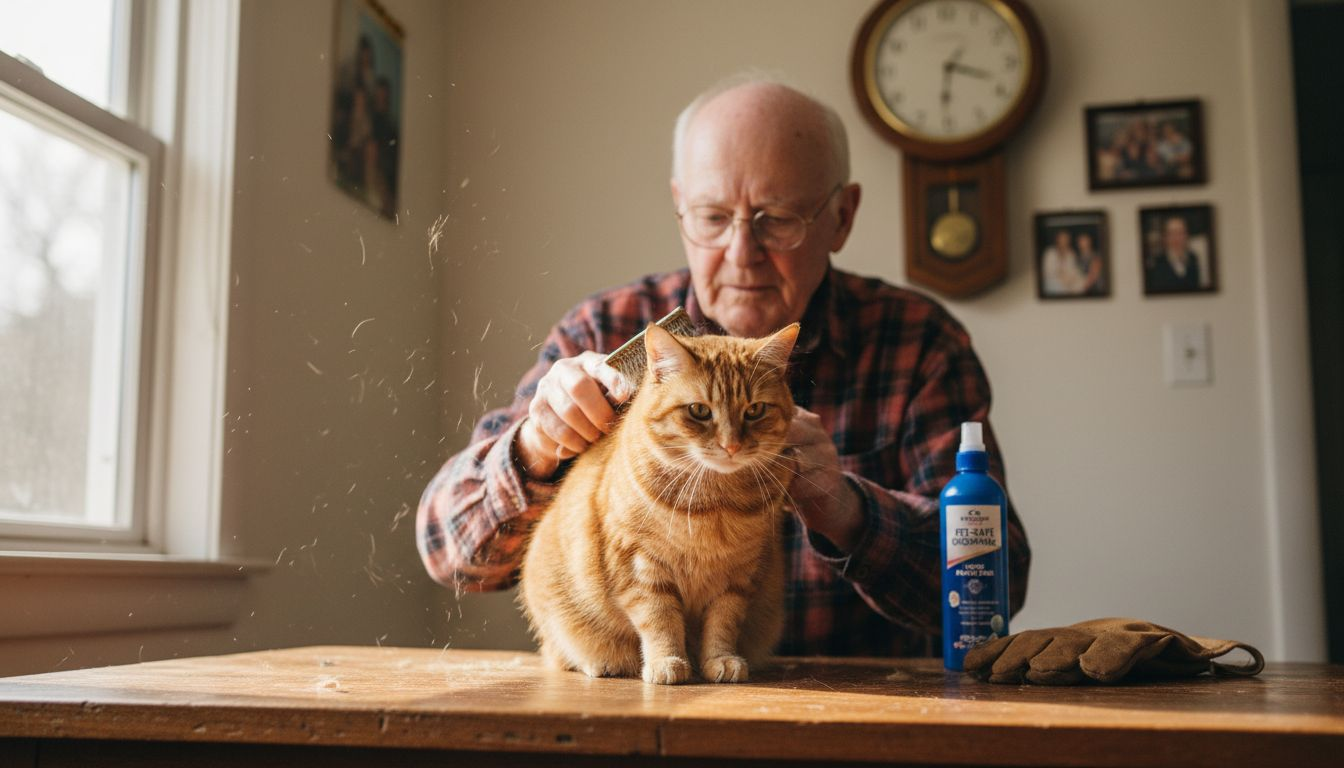
The physical act of brushing does more than simply detangle fur. It helps eliminate dead hair, prevents painful hairball formation, and enables early detection of potential skin issues or parasites. By consistently running a brush through your cat’s coat, you create an opportunity to perform a thorough health check, identifying any unusual lumps, wounds, or skin abnormalities that might otherwise go unnoticed.
Key benefits of regular grooming include:
- Improved Coat Texture: Distributes natural skin oils evenly
- Reduced Shedding: Removes loose fur before it spreads around your home
- Enhanced Skin Health: Stimulates blood circulation
- Early Problem Detection: Allows immediate identification of skin issues
- Stress Reduction: Creates bonding opportunity between cat and owner
Pro Health Maintenance Tip: Use a soft-bristled brush appropriate for your cat’s specific coat type, and establish a consistent grooming routine that your cat finds comfortable and rewarding.
Grooming For Digestive And Allergy Prevention
Regular grooming plays a crucial role in preventing digestive issues and managing potential allergic reactions in cats. By systematically removing loose hair and monitoring your cat’s skin condition, you can significantly reduce the risk of hairball formation and identify early signs of skin-related allergic responses.
Hairballs represent a significant digestive concern for cats, particularly those with longer or dense coats. Consistent brushing helps remove dead hair and debris before cats can ingest it during self-grooming, which can prevent potentially dangerous intestinal blockages. This proactive approach not only supports digestive wellness in cats with various health conditions, but also minimizes the likelihood of uncomfortable and potentially serious medical complications.
Key preventive strategies include:
- Daily Brushing: Reduces hair ingestion during self-grooming
- Allergen Removal: Eliminates external irritants from coat
- Early Detection: Identifies skin changes indicating allergic reactions
- Circulation Stimulation: Supports overall skin health
- Stress Reduction: Creates positive physical interaction
Pro Preventive Care Tip: Establish a consistent grooming routine using a soft-bristled brush appropriate for your cat’s coat type, focusing on gentle, thorough strokes that remove loose hair without causing skin irritation.
Here’s how regular grooming supports your cat’s health:
| Health Benefit | How Grooming Helps | Long-Term Result |
|---|---|---|
| Skin Condition | Early detection of problems | Fewer skin diseases |
| Digestive Wellness | Less hair ingested | Reduced risk of hairballs |
| Allergy Control | Removes dander, allergens | Lower allergy risk for owners |
| Emotional Bond | Promotes positive interaction | Stronger trust with your cat |
Health Checks Through Grooming
Regular grooming transforms routine maintenance into a comprehensive health monitoring process, providing cat owners with an invaluable opportunity to detect potential health issues before they become serious. By carefully examining your cat’s coat, skin, and overall physical condition during grooming sessions, you can identify subtle changes that might indicate underlying health concerns.
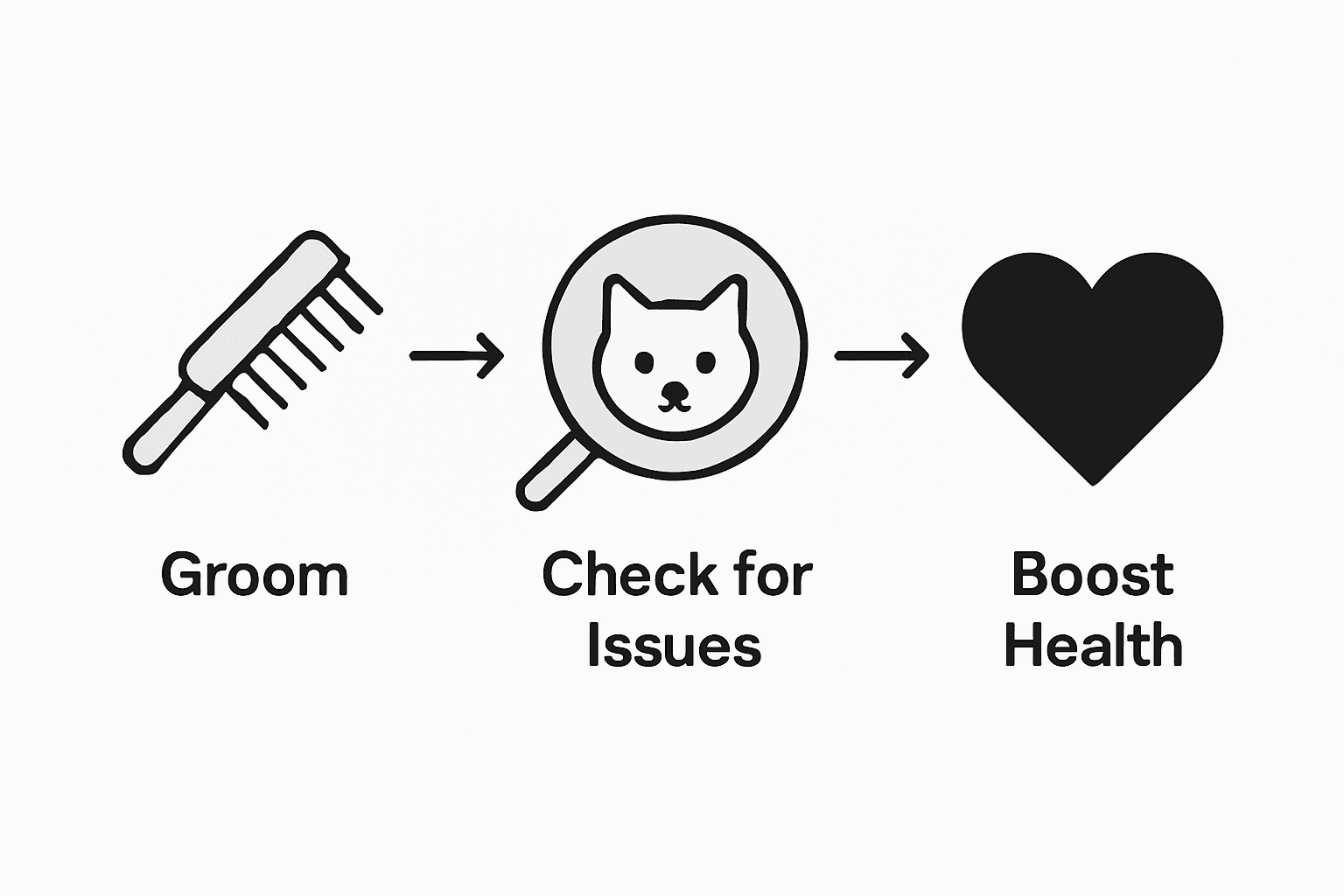
Early detection of skin issues, parasites, and physical abnormalities becomes significantly easier through consistent grooming practices. Professional veterinarians recommend using grooming time to conduct thorough physical examinations, checking for warning signs such as unexpected lumps, skin discolorations, unusual wounds, or changes in coat texture that could signal nutritional deficiencies or emerging medical conditions.
Key health monitoring aspects during grooming include:
- Skin Inspection: Check for rashes, bumps, or unusual growths
- Coat Quality Assessment: Evaluate shine, thickness, and potential nutritional deficiencies
- Parasite Detection: Look for signs of fleas, ticks, or skin mites
- Weight Monitoring: Assess body condition during handling
- Mobility Check: Observe reactions during brushing for potential pain signals
Pro Examination Tip: Create a consistent grooming routine that allows you to systematically check your cat’s body, using good lighting and gentle touch to detect any subtle changes in their physical condition.
Bonding Through Regular Grooming
Regular grooming serves as a powerful mechanism for strengthening the emotional connection between cats and their owners, transcending the traditional boundaries of routine maintenance. This intentional, intimate process allows for direct physical interaction that can significantly enhance mutual trust and understanding.
Successful grooming sessions are characterized by calm, positive approaches that transform potentially stressful experiences into moments of shared comfort. By creating a consistent, gentle routine, cat owners can help their pets develop positive associations with handling, ultimately reducing anxiety and building a more responsive relationship. The key is patience, understanding your cat’s unique temperament, and adapting your technique to their individual comfort levels.
Strategies for building connection during grooming include:
- Calm Environment: Choose quiet, familiar spaces
- Gentle Touch: Use soft, predictable movements
- Positive Reinforcement: Offer treats and verbal praise
- Short Sessions: Begin with brief interactions
- Read Body Language: Watch for signs of stress or enjoyment
Pro Bonding Tip: Start grooming sessions when your cat is naturally relaxed, using a soft brush and speaking in soothing tones, allowing your pet to gradually become comfortable with the experience.
Make Everyday Cat Grooming Effortless and Effective
Understanding the importance of regular grooming helps you spot early signs of skin problems, reduce hairballs, and strengthen your bond with your cat. If you want to prevent matting, keep your feline’s coat shiny, and support their digestive and skin health with trusted tools, Pawfect Picks has everything you need. Our vet-approved products are carefully chosen to make grooming a calming and rewarding experience for both you and your cat.

Take the next step in your cat’s health journey by exploring our selection at Pawfect Picks. Whether you have a short-haired or long-haired cat, our grooming essentials are backed by over 25 years of veterinary expertise to ensure comfort and wellbeing. Visit us now to find the perfect grooming tools that turn daily care into a loving routine you both will enjoy.
Frequently Asked Questions
What are the main benefits of regular grooming for cats?
Regular grooming helps maintain your cat’s coat health, reduces shedding, eliminates dead hair, promotes better skin circulation, and allows for early detection of potential health issues.
How often should I groom my cat based on its coat type?
Short-haired cats typically require weekly grooming, medium-haired cats benefit from grooming twice a week, and long-haired cats need daily grooming to prevent matting and tangles.
What techniques should I use during cat grooming?
Key grooming techniques include brushing the coat to remove loose fur, trimming nails to prevent overgrowth, inspecting the skin for abnormalities, and cleaning ears and teeth to maintain overall hygiene.
Can regular grooming help with hairball prevention?
Yes, consistent grooming removes loose hair and debris, significantly reducing the amount ingested by your cat during self-grooming, which helps prevent hairballs and digestive issues.
Recommended
- Kidney Disease in Cats – Pawfect Picks
- Professional Pet Nail Clippers with LED Light – Safe Grooming Scissors – Pawfect Picks
- Smart Automatic Cat Litter Box – Open-Top Self-Cleaning Design with Ap – Pawfect Picks
- 2L Floating Pet Water Bowl – No-Splash, Dust-Proof Design for Clean Wa – Pawfect Picks