

Pet Wellness Routine Guide for Happier, Healthier Pets
Most pet owners underestimate just how much a tailored routine can improve their companion’s quality of life. For American families and those around the world, staying on top of a pet’s changing needs often feels confusing at first. With expert-backed steps and clear advice, you will learn how to develop daily routines, pick the right products, and monitor your dog’s or cat’s wellbeing so every life stage is healthier and more joyful. Over 60% of American households already include a pet, so it’s never been more important to put proven care strategies into practice.
Table of Contents
- Step 1: Assess Your Pet’s Unique Health Needs
- Step 2: Select Appropriate Vet-Approved Products
- Step 3: Establish A Daily Care And Activity Plan
- Step 4: Monitor And Adjust Routines For Best Results
- Step 5: Verify Wellness Through Regular Checkups
Quick Summary
| Key Takeaway | Explanation |
|---|---|
| 1. Assess Your Pet’s Needs | Evaluate your pet’s health by tracking diet, exercise, and behavior to identify unique needs. |
| 2. Choose Vet-Approved Products | Select pet care products based on veterinary recommendations and verified nutritional standards. |
| 3. Establish a Daily Routine | Create a structured daily schedule for feeding, exercise, training, and rest to support wellbeing. |
| 4. Monitor Health Indicators | Consistently track key health indicators and behavior changes to catch potential issues early. |
| 5. Schedule Regular Checkups | Maintain a routine of veterinary visits for comprehensive health assessments and early problem detection. |
Step 1: Assess your pet’s unique health needs
Understanding your pet’s specific health requirements is crucial for ensuring their long-term wellness and happiness. Every animal has distinctive physiological needs that vary based on age, breed, lifestyle, and existing health conditions. Pet health experts recommend creating a comprehensive assessment that considers multiple dimensions of your pet’s wellbeing.
To conduct a thorough health assessment, start by examining key aspects of your pet’s physical and emotional state. This includes analyzing their current diet, exercise routine, weight, coat condition, energy levels, and behavioral patterns. Document any changes in appetite, sleep, mobility, or interactions with family members. Consider scheduling a comprehensive veterinary checkup that includes blood work, dental examination, and screening for breed-specific health risks. Pay special attention to age-related needs: puppies and senior pets require different nutritional and medical approaches compared to adult animals.
Comparing your observations against established veterinary guidelines will help you identify potential health concerns early. Track your pet’s weight, monitor their vaccination status, and maintain consistent preventive care routines. Understanding how dogs have specific physiological and emotional needs will help you create a tailored wellness strategy that supports their overall quality of life.
Here is a summary comparing how pet care priorities change with life stage:
| Life Stage | Nutritional Focus | Health Monitoring Frequency | Key Care Activities |
|---|---|---|---|
| Puppy/Kitten | Growth and immune support | Every 3-6 months | Socialization, vaccinations |
| Adult | Weight maintenance, energy | Annually | Routine exercise, checkups |
| Senior | Joint health, organ support | Every 6 months or as advised | Mobility, dental care |
Pro tip: Create a dedicated health journal for your pet where you can consistently record observations, track medical history, and monitor changes in their physical and emotional wellbeing.
Step 2: Select appropriate vet-approved products
Choosing the right pet products is a critical step in maintaining your animal’s health and wellbeing. Not all products marketed as pet care solutions are created equal, and understanding how to identify truly beneficial items requires careful consideration. Veterinary nutritional guidelines emphasize the importance of selecting products that meet specific scientific standards tailored to your pet’s unique needs.
When selecting vet-approved products, start by examining several key criteria. Look for items that have clear nutritional information, ingredients sourced from reputable manufacturers, and preferably recommendations from veterinary professionals. Veterinarian recommended products require careful scrutiny, as marketing claims are not always strictly regulated. Pay attention to age-appropriate formulations, breed-specific requirements, and any special health considerations your pet might have. This means researching product ingredients, understanding nutritional content, and consulting with your veterinarian about specific recommendations for your pet’s individual health profile.
Consider creating a checklist of essential criteria when evaluating pet products. This should include checking for AAFCO compliance in food products, verifying ingredient quality, understanding the manufacturer’s reputation, and ensuring the product aligns with your veterinarian’s recommendations. Look for transparency in product sourcing, clear nutritional information, and evidence of quality control in manufacturing processes.
Pro tip: Always keep a detailed record of products your pet uses, including any reactions or benefits, to help your veterinarian make more informed health recommendations.
Step 3: Establish a daily care and activity plan
Developing a comprehensive daily routine is essential for supporting your pet’s physical and mental wellbeing. A structured plan helps create predictability, reduces stress, and ensures your pet receives consistent care, exercise, and attention throughout each day. Your routine should be tailored to your pet’s specific age, breed, energy level, and individual health requirements.

Begin by creating a consistent schedule that includes key activities like feeding, exercise, training, playtime, and rest periods. For dogs, this typically means establishing set times for morning walks, midday play sessions, training exercises, and evening relaxation. Puppies especially benefit from predictable routines that help them understand household expectations and reduce anxiety. Consider your own work schedule and lifestyle when designing the plan, ensuring you can realistically maintain the routine long term. Include specific time blocks for feeding meals, bathroom breaks, active play, mental stimulation activities, and quiet rest periods.
Track and adjust your pet’s daily routine regularly, paying attention to their response and energy levels. Some pets might need more frequent short play sessions, while others require longer walks or more intense mental stimulation. Monitor your pet’s behavior, appetite, and overall enthusiasm to fine tune the routine. Remember that flexibility is key adaptability helps prevent stress for both you and your pet.
Pro tip: Create a visual daily schedule chart and place it somewhere visible to help all family members consistently follow the established pet care routine.
Step 4: Monitor and adjust routines for best results
Systematic monitoring of your pet’s health and behavior is crucial for maintaining their long-term wellbeing. Observing subtle changes in appetite, energy levels, mood, and physical condition helps you proactively address potential health issues before they become serious concerns. Creating a consistent tracking system allows you to recognize patterns and make informed decisions about your pet’s care routine.
Establish a comprehensive tracking method that includes regular documentation of key health indicators. This might involve maintaining a journal or digital log where you record daily observations such as food intake, water consumption, exercise duration, bathroom habits, and overall behavior. Pet care professionals recommend periodic professional consultations to validate your observations and provide expert guidance on potential routine adjustments. Pay special attention to changes that might signal underlying health issues such as sudden weight fluctuations, modifications in sleep patterns, decreased interest in activities, or unusual behavioral shifts.
Remain flexible and willing to modify your pet’s routine as they progress through different life stages. Puppies and senior pets have distinctly different care requirements compared to adult animals. Consult with your veterinarian annually or semi-annually to ensure your care strategy aligns with your pet’s evolving physical and mental health needs. Regular professional assessments combined with your attentive home monitoring create a comprehensive approach to maintaining your pet’s optimal wellness.
Pro tip: Use smartphone apps or digital wellness trackers designed specifically for pets to simplify and streamline your routine monitoring process.
The table below outlines differences between professional and home health monitoring for pets:
| Aspect | Home Monitoring | Professional Monitoring |
|---|---|---|
| Frequency | Daily or as needed | Annually or semi-annually |
| Tools Used | Journals, phone apps | Lab tests, physical examinations |
| Benefit | Early detection of subtle changes | In-depth diagnostics and guidance |
| Limitation | May miss internal issues | May not catch day-to-day changes |
Step 5: Verify wellness through regular checkups
Regular veterinary visits are a critical component of comprehensive pet healthcare, serving as a proactive approach to detecting potential health issues before they become serious problems. These wellness exams provide an opportunity for veterinarians to conduct thorough assessments of your pet’s overall physical condition, identifying subtle changes that might indicate underlying health concerns. By establishing a consistent checkup schedule, you create a baseline of your pet’s health and enable early intervention strategies.
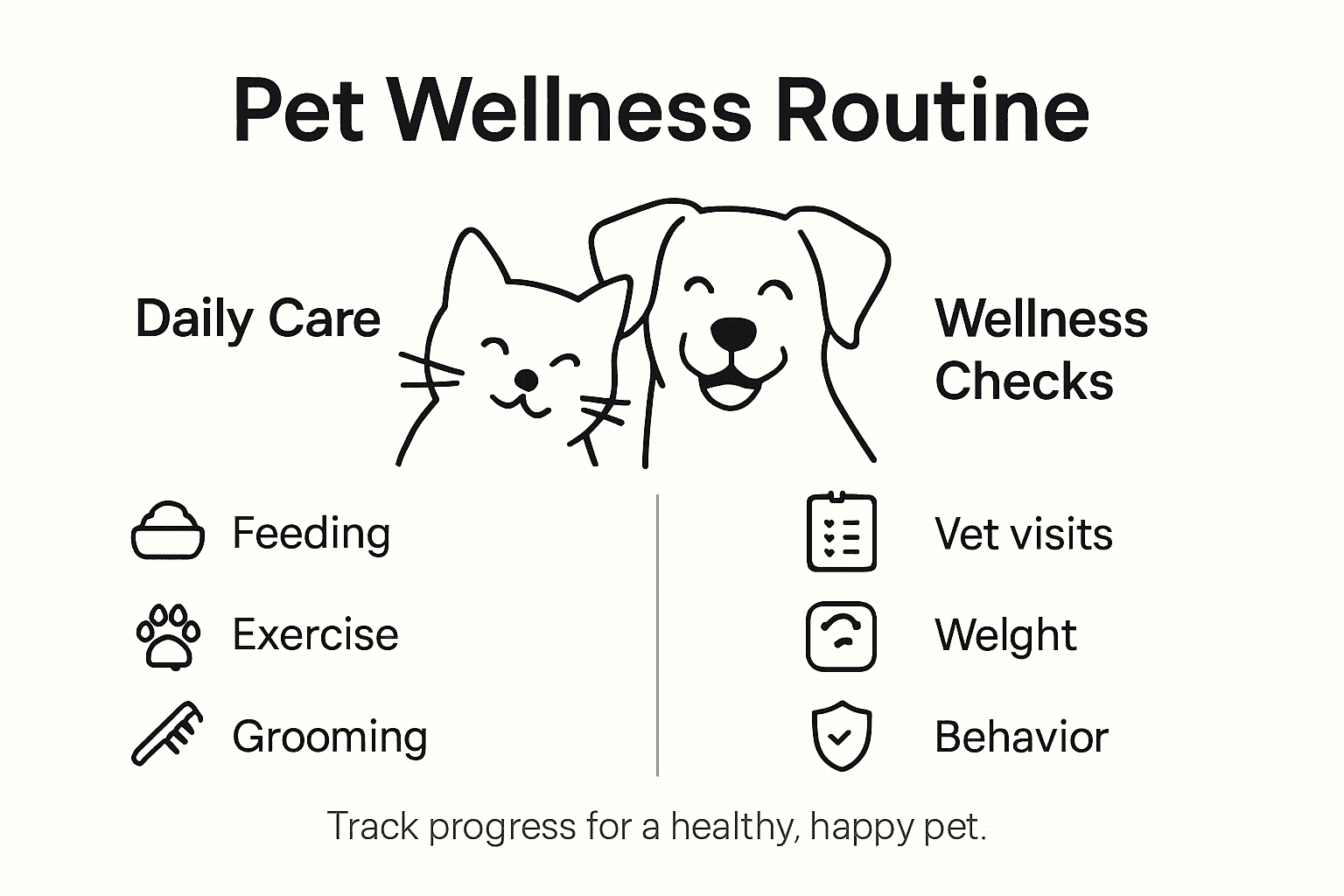
Wellness exam frequencies vary depending on your pet’s life stage and individual health requirements. Young pets typically need more frequent visits for vaccinations and growth monitoring, while adult pets benefit from annual comprehensive examinations. Senior pets may require biannual checkups to track age-related changes more closely. During these visits, veterinarians will typically perform a complete physical examination, which includes evaluating your pet’s eyes, ears, mouth, skin, heart, lungs, and abdominal region. They may also recommend laboratory tests to screen for potential internal health issues that are not immediately visible.
Prepare for veterinary checkups by keeping detailed records of your pet’s diet, exercise routine, behavior patterns, and any health observations you have made. Bring a list of questions or concerns to discuss with your veterinarian, and be prepared to provide comprehensive information about your pet’s lifestyle and recent health history. This collaborative approach ensures that your veterinarian can provide the most accurate and personalized healthcare guidance possible.
Pro tip: Create a digital health folder for your pet that includes vaccination records, medical history, and photographs documenting their physical condition over time.
Build a Strong Foundation for Your Pet’s Wellness Today
The article highlights the importance of a tailored pet wellness routine that meets your furry friend’s unique needs. Whether it is monitoring vital health indicators or selecting vet-approved products that support joint health, energy maintenance, and immune support, you want to ensure every detail contributes to your pet’s long-term happiness and wellness. Pawfect Picks understands these challenges and is here to help with carefully chosen products backed by over 25 years of veterinary expertise.

Take control of your pet’s health by exploring our collection of vet-approved essentials at Pawfect Picks. Our products are designed to align perfectly with the principles outlined in your pet wellness routine guide. Act now to give your companion the best care possible and create a daily routine that enhances their comfort and vitality. Visit Pawfect Picks and start building a happier, healthier future for your pet today.
Frequently Asked Questions
How can I assess my pet’s unique health needs?
To assess your pet’s health needs, examine their diet, exercise, weight, coat condition, and behavioral patterns. Document any changes and consider scheduling a comprehensive veterinary checkup to identify specific requirements based on their age and health conditions.
What should I look for when selecting vet-approved pet products?
When selecting pet products, prioritize clear nutritional information, quality ingredients, and veterinary recommendations. Create a checklist to evaluate essential criteria like AAFCO compliance and ingredient transparency to ensure the product meets your pet’s specific needs.
How can I establish a daily care and activity plan for my pet?
Establish a daily care and activity plan by scheduling consistent times for feeding, exercise, training, and play. Tailor the routine to your pet’s age, breed, and energy level, adjusting as needed while maintaining regular activities throughout the day.
How do I monitor and adjust my pet’s wellness routine?
Monitor your pet’s health by tracking their appetite, energy levels, and behavior daily. Adjust their routine as necessary based on your observations and consider consulting with your veterinarian periodically to ensure you are meeting their evolving needs.
Why are regular veterinary checkups important for my pet’s wellness?
Regular veterinary checkups are essential for catching potential health issues early and ensuring your pet stays healthy over time. Schedule your pet’s checkup based on their age: young pets may need visits every few months, while seniors should be checked every six months to monitor age-related changes.
What should I bring to my pet’s veterinary checkup?
Prepare for your pet’s veterinary checkup by bringing a detailed record of their diet, exercise, behavior patterns, and any health observations. Compile a list of questions or concerns to discuss with your veterinarian to get the most comprehensive care possible.
Recommended
- ⭐ Dog Treat Leaking Tumbler Toy – Interactive Slow Feeder & IQ Trainin – Pawfect Picks
- 2L Floating Pet Water Bowl – No-Splash, Dust-Proof Design for Clean Wa – Pawfect Picks
- Pet Wellness – Pawfect Picks
- Pawfect Picks
- Why Choose Gentle Routines for Lasting Glow – EMILY SANDERS LIFESTYLE
- How to Build Healthy Habits Naturally for Lasting Wellness – naturessoulshop