
What Are Slow Feeder Bowls? Improve Dog Digestion
More than half of American dogs are now considered overweight, putting their long-term health at risk. Concerned pet owners know how quickly a meal can disappear, but few realize fast eating can cause serious problems like choking, bloating, or poor digestion. Understanding the science and unique benefits behind slow feeder bowls gives American families a practical way to prevent obesity and support healthier, happier pets at home.
Table of Contents
- Defining Slow Feeder Bowls And Common Misconceptions
- Popular Slow Feeder Designs And Key Distinctions
- How Slow Feeder Bowls Work For Dogs
- Vet-Recommended Health Benefits For Pets
- Risks, Drawbacks, And What To Avoid
- Comparing Slow Feeder Bowls To Typical Dog Bowls
Key Takeaways
| Point | Details |
|---|---|
| Health Benefits | Slow feeder bowls reduce risks of bloat and choking by encouraging dogs to eat slowly and chew their food thoroughly. |
| Cognitive Engagement | These bowls provide mental stimulation and help prevent boredom by introducing problem-solving elements during meals. |
| Adaptation Needs | Some dogs may need time to adjust to slow feeder bowls, requiring gradual introduction and positive reinforcement. |
| Quality Matters | Selecting high-quality slow feeder bowls is crucial to avoid potential hazards and ensure durability and safety. |
Defining Slow Feeder Bowls and Common Misconceptions
Slow feeder bowls are specialized dog feeding containers engineered to interrupt rapid eating patterns. These innovative dining tools feature complex internal designs like raised ridges, mazes, or puzzle-like surfaces that physically prevent dogs from consuming food quickly. Veterinary research indicates that these bowls are strategically created to mitigate potential health risks associated with fast eating.
Contrary to common misconceptions, slow feeder bowls are not just decorative accessories but serve critical health functions. They address serious canine eating behaviors that can lead to dangerous conditions like bloat, gastric dilatation, and potential choking. The intricate design forces dogs to navigate around obstacles, naturally slowing their consumption rate and promoting more mindful eating. Some dogs might initially find these bowls challenging, but most adapt quickly as they learn to navigate the unique feeding environment.
The effectiveness of slow feeder bowls varies depending on individual dog characteristics. Factors like breed, size, age, and existing eating habits significantly influence how well a dog responds to these specialized feeding tools. While some dogs immediately engage with the puzzle-like design, others might require gentle training and positive reinforcement to understand the new eating method. Dog owners should select slow feeder bowls that match their pet’s specific eating style and physical capabilities.
Pro tip: Introduce slow feeder bowls gradually by mixing a small portion of familiar food with the new feeding strategy to help your dog adjust smoothly and reduce potential mealtime frustration.
Popular Slow Feeder Designs and Key Distinctions
Slow feeder bowls come in a variety of innovative designs, each strategically crafted to challenge dogs’ eating habits. Popular slow feeder configurations typically include maze-style, spiral, and obstacle-based patterns that physically interrupt rapid food consumption. These designs range from simple ridged interiors to complex puzzle-like structures that require dogs to navigate around raised barriers and strategic obstacles.
The most common slow feeder designs can be categorized into three primary types. Maze-style bowls feature intricate pathways that dogs must navigate, forcing them to take smaller bites and eat more methodically. Center obstacle bowls incorporate a central raised mechanism that prevents dogs from accessing food directly, creating a physical challenge during mealtime. Spiral design bowls use continuous curved channels that wind around the bowl’s interior, making it difficult for dogs to gulp large amounts of food at once.
Materials and construction play a crucial role in slow feeder bowl effectiveness and durability. Ceramic, stainless steel, and food-grade plastic are the most common materials, each offering unique benefits. Stainless steel options provide maximum durability and hygiene, while ceramic bowls offer weight and stability. Plastic slow feeders tend to be more affordable and lightweight, though owners should carefully inspect them for potential wear and tear that could create sharp edges or break down over time.
Here’s a side-by-side look at popular slow feeder bowl designs and their distinguishing qualities:
| Design Type | Key Feature | Best For |
|---|---|---|
| Maze-Style | Intricate pathways slow bites | Fast eaters needing stimulation |
| Center Obstacle | Central raised barrier | Dogs prone to gulping food |
| Spiral Channel | Winding rim channels | Dogs who eat large mouthfuls |
Pro tip: Select a slow feeder bowl that matches your dog’s size and eating style, and always supervise initial use to ensure your pet adapts comfortably to the new feeding method.
How Slow Feeder Bowls Work for Dogs
Unique feeding mechanisms transform standard dog bowls into interactive eating experiences that fundamentally change how dogs consume their meals. These specialized bowls incorporate strategic obstacles like raised ridges, maze-like patterns, and physical barriers that force dogs to work around complex interior designs. By creating physical challenges during mealtime, slow feeder bowls naturally interrupt a dog’s instinctive tendency to gulp down food quickly.
The primary mechanism involves introducing physical impediments that make food access more challenging. Obstacle design requires dogs to navigate around raised sections, curves, and strategic barriers, effectively breaking their eating into smaller, more controlled bites. This approach accomplishes multiple health objectives: reducing the risk of bloat, minimizing air intake during eating, and promoting more deliberate chewing. The complexity of these designs means that a meal that might typically take seconds can now extend to 10-20 minutes, encouraging more mindful eating behaviors.
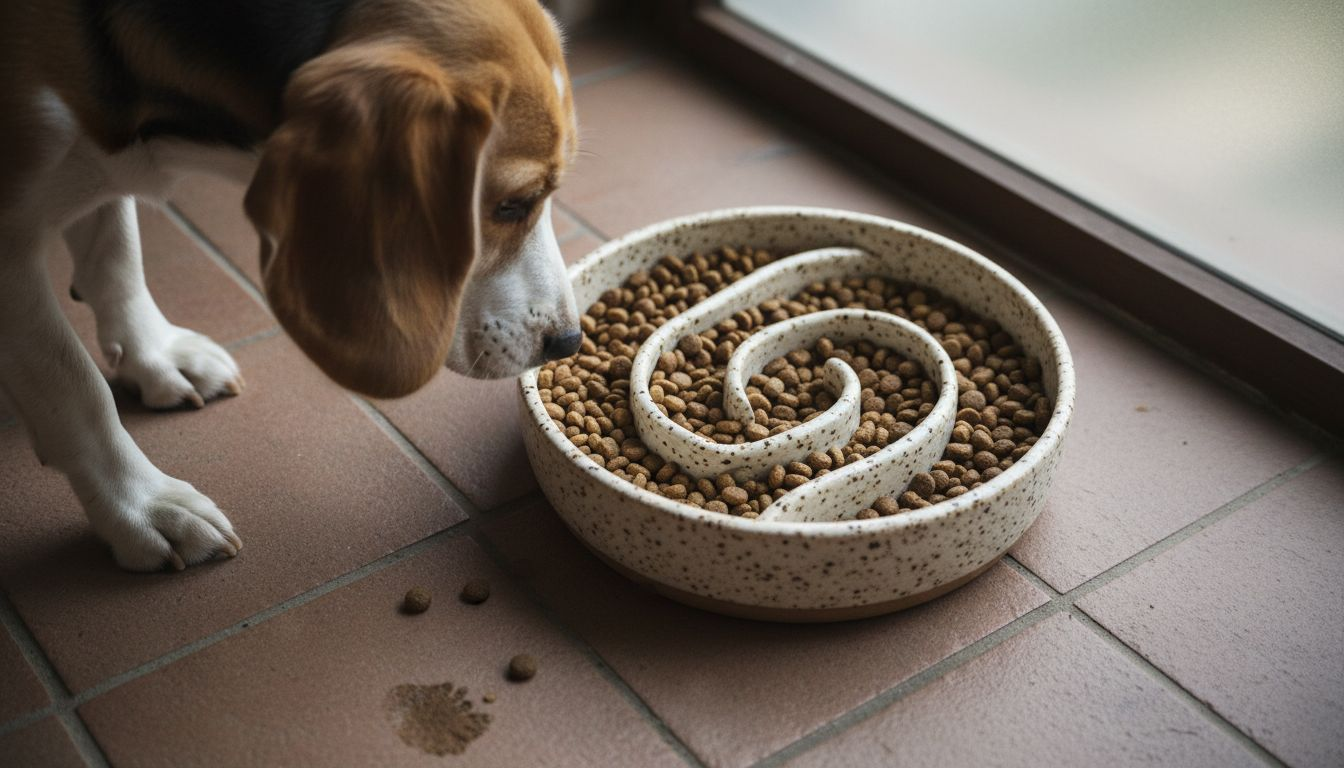
Slow feeder bowls also provide unexpected cognitive benefits beyond physical eating modification. The puzzle-like interior creates a mental challenge that engages a dog’s problem-solving skills, turning mealtime into a stimulating activity. Dogs must strategize how to access food between obstacles, which provides mental stimulation and can help prevent boredom. This additional cognitive engagement is particularly beneficial for high-energy or intelligent dog breeds that require consistent mental challenges to remain balanced and content.
Pro tip: Start with a slow feeder bowl that matches your dog’s size and skill level, and be patient during the initial adjustment period to ensure a positive and stress-free eating experience.
Vet-Recommended Health Benefits for Pets
Veterinary research consistently demonstrates that slow feeder bowls offer significant health advantages for dogs beyond simple mealtime management. These specialized feeding tools address multiple physiological concerns, particularly for breeds prone to rapid eating and associated digestive complications. By fundamentally changing how dogs consume food, slow feeder bowls provide a proactive approach to preventing potential health risks.
The primary health benefits center around digestive protection. Slow feeder bowls dramatically reduce the risk of gastric dilatation volvulus (bloat), a potentially life-threatening condition common in large and deep-chested dog breeds like Great Danes and Boxers. By forcing dogs to eat more slowly, these bowls minimize air intake during meals, which is a critical factor in preventing dangerous stomach distension. Additionally, the controlled eating pace promotes more thorough chewing, enhancing nutrient absorption and reducing the likelihood of choking or vomiting.
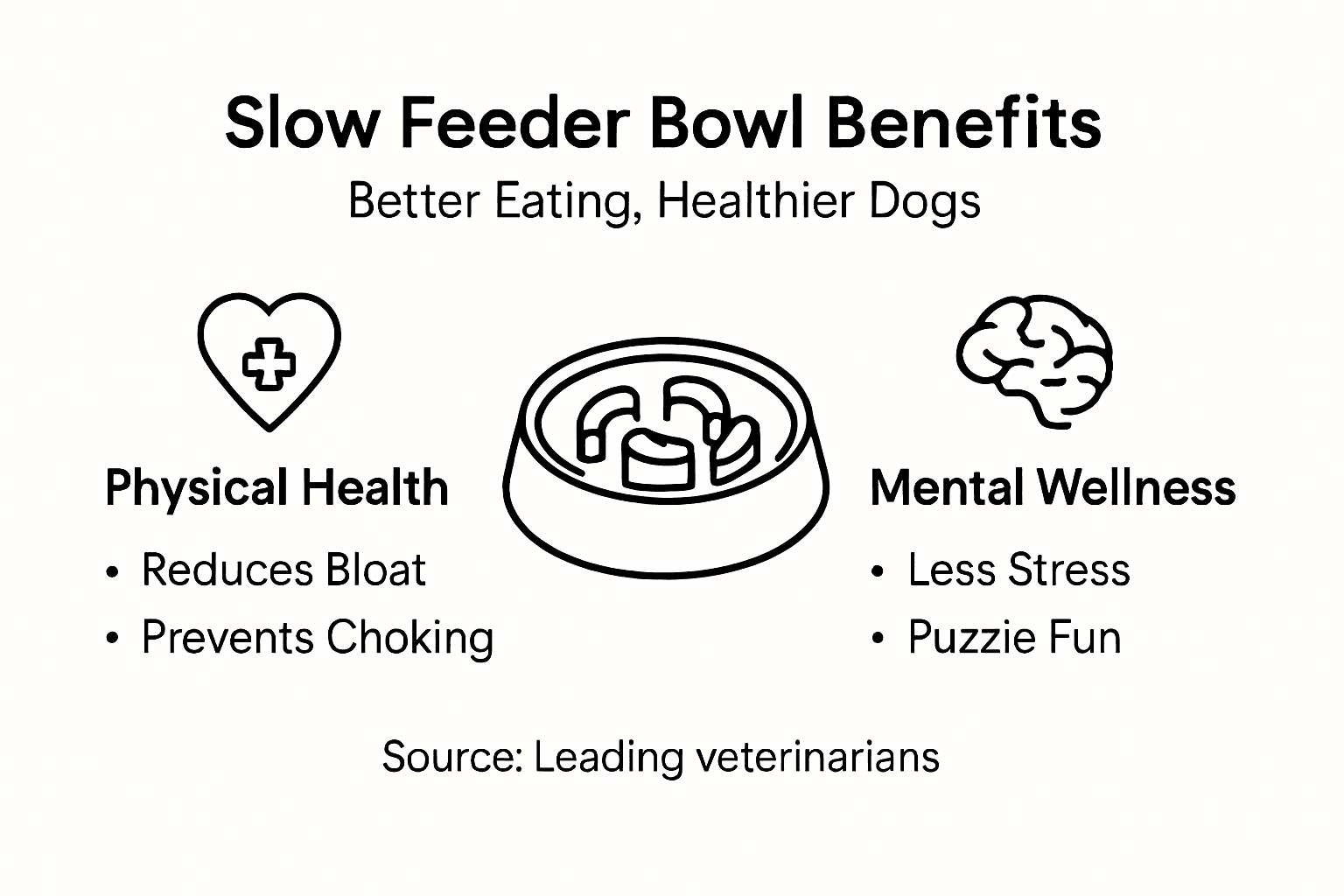
Beyond physical health benefits, slow feeder bowls contribute to mental wellness. The interactive design provides cognitive stimulation, transforming mealtime from a simple feeding routine into an engaging problem-solving activity. Dogs must navigate complex bowl designs, which helps prevent mealtime boredom and provides mental enrichment. This is particularly beneficial for high-energy or intelligent breeds that require consistent mental challenges to maintain optimal psychological health. The cognitive engagement can also help reduce anxiety and destructive behaviors associated with understimulation.
Pro tip: Consult with your veterinarian to select a slow feeder bowl specifically tailored to your dog’s breed, size, and individual eating habits to maximize health benefits and ensure a comfortable transition.
Risks, Drawbacks, and What to Avoid
Potential complications with slow feeder bowls require careful consideration for responsible pet owners. While these innovative feeding tools offer numerous health benefits, they are not universally suitable for every dog. Understanding potential drawbacks helps pet owners make informed decisions about introducing these specialized feeding devices into their dog’s routine.
Some dogs may experience significant frustration when first encountering slow feeder bowls, particularly picky eaters or dogs with anxiety-related eating behaviors. The complex interior designs can create stress for dogs accustomed to traditional feeding methods, potentially leading to reduced food intake or mealtime resistance. Dogs with existing dental issues, limited mobility, or physical limitations might find these bowls particularly challenging. Owners of senior dogs or those with specific health conditions should consult veterinarians before making a complete transition to slow feeder bowls.
Product quality becomes a critical consideration when selecting slow feeder bowls. Poorly manufactured bowls can pose serious ingestion hazards, with potential risks of sharp edges, breakable components, or materials that degrade over time. Ceramic and stainless steel options tend to be more durable, while lower-quality plastic bowls may develop cracks or wear that could compromise food safety. Cleaning these bowls can also prove challenging due to their intricate designs, potentially creating spaces where bacteria and food residue can accumulate if not thoroughly maintained.
Pro tip: Introduce slow feeder bowls gradually, starting with short feeding sessions and monitoring your dog’s comfort level, and always inspect the bowl for signs of wear or damage before each use.
Comparing Slow Feeder Bowls to Typical Dog Bowls
Scientific research reveals fundamental differences between slow feeder and traditional dog bowls that extend far beyond their physical appearance. Traditional bowls represent a straightforward feeding approach, allowing dogs to consume food rapidly and without mental engagement. In contrast, slow feeder bowls transform mealtime into a deliberate, controlled experience that addresses multiple aspects of canine health and behavior.
The core distinction lies in eating mechanics. Typical dog bowls enable unrestricted food access, allowing dogs to gulp large quantities quickly, which increases risks of choking, bloating, and poor digestion. Slow feeder bowls, however, incorporate strategic obstacles like ridges, mazes, and raised sections that physically interrupt the eating process. These design elements force dogs to take smaller bites, extend meal duration, and reduce the volume of air swallowed during consumption. The result is a more mindful eating experience that mimics natural foraging behaviors and promotes better overall digestive health.
Beyond physical mechanics, slow feeder bowls offer significant cognitive advantages absent in traditional bowls. Regular dog bowls provide no mental stimulation, essentially serving as simple food containers. Slow feeder bowls, by contrast, introduce a puzzle-like element that engages a dog’s problem-solving skills. Dogs must navigate complex interior designs, which not only slows their eating but also provides mental enrichment. This cognitive challenge can be particularly beneficial for intelligent breeds that require consistent mental stimulation to prevent boredom and associated behavioral issues.
Below is a comparison of slow feeder bowls and typical dog bowls to clarify their differences:
| Attribute | Slow Feeder Bowl | Typical Dog Bowl |
|---|---|---|
| Eating Speed | Significantly slowed | Rapid, uncontrolled |
| Cognitive Engagement | High, puzzle-like stimulation | None, passive eating |
| Health Risk | Reduced risk of bloat and choking | Higher, especially for gulper dogs |
| Suitability | Best for fast or energetic eaters | Suited for relaxed eaters |
Pro tip: Transition gradually between bowl types, mixing familiar and slow feeder designs to help your dog adapt comfortably and maintain positive eating experiences.
Improve Your Dog’s Digestion With Vet-Approved Slow Feeder Bowls
Eating too fast can cause serious health risks like bloat and choking for many dogs. If your dog struggles with gulping food or eating too quickly you understand the worry that comes with mealtime. Slow feeder bowls are designed to break down meals into smaller bites while providing mental stimulation to keep your dog engaged. This thoughtful approach supports better digestion and lowers dangerous risks linked to rapid eating.
Discover our trusted collection of slow feeder bowls carefully selected by experts with over 25 years of veterinary experience.
Give your dog the gift of safer and healthier eating today. Visit Pawfect Picks now to find vet-approved solutions that match your pet’s size and eating style. Take the step toward happier and more mindful mealtimes and help protect your furry friend from digestive troubles before they start.
Frequently Asked Questions
What are slow feeder bowls?
Slow feeder bowls are specially designed dog feeding containers that feature obstacles and complex patterns to slow down a dog’s eating pace. They help prevent health risks associated with rapid eating, such as bloat and choking.
How do slow feeder bowls improve dog digestion?
Slow feeder bowls encourage dogs to eat more slowly, reducing the amount of air swallowed while eating. This not only minimizes the risk of bloat and choking but also promotes better chewing and nutrient absorption for improved digestion.
What designs are available for slow feeder bowls?
Common designs for slow feeder bowls include maze-style, center obstacle, and spiral channel patterns. Each design creates different challenges for dogs, making mealtime more engaging and helping to slow down their eating.
Are there any risks associated with using slow feeder bowls?
While slow feeder bowls offer many benefits, they may frustrate some dogs, especially those with anxiety or dental issues. It’s important to monitor your dog’s comfort level and consult a veterinarian if there are concerns about their suitability.